

Why Embrace Mindfulness for a Balanced 2026?

The relentless pace of modern life often leaves us feeling fragmented, constantly pulled in multiple directions. As we step into 2026, the demand for mental resilience and inner peace isn’t just a desire, but a necessity. We’re bombarded with information, expectations, and the pressure to always be “on.” This overwhelming environment makes cultivating a calm, focused mind more challenging, yet more vital, than ever before.
Finding Your Center in a Fast-Paced World
Mindfulness, at its core, is the practice of paying attention to the present moment without judgment. It’s about consciously observing your thoughts, feelings, and bodily sensations as they arise, rather than getting swept away by them. This ancient practice, with roots stretching back 2,600 years in Buddhist traditions, has gained significant scientific backing for its profound benefits. It’s not about stopping your thoughts, but rather changing your relationship with them.
Mindfulness helps you navigate the chaos by grounding you in the now.
In 2026, the emphasis is shifting towards actionable, goal-oriented integration of mindfulness into our daily lives. Many of us are looking for concrete ways to achieve balanced life amidst increasing complexity. This isn’t just about fleeting moments of calm; it’s about building a sustainable foundation for well-being. By setting specific, measurable goals for your practice, you dramatically increase your chances of success.
The Imperative for Mental Clarity in 2026
Why is this so critical now? The constant digital chatter and societal pressures make genuine mental clarity 2026 a prized commodity. Mindfulness offers a direct pathway to cutting through the noise, enhancing your attention span, and improving decision-making. It’s a powerful tool for self-regulation, helping you respond thoughtfully rather than react impulsively. As a wellness expert, I’ve seen firsthand how these practices transform lives, helping individuals gain control over their inner landscape.
This renewed focus on practical application makes various mindfulness methods essential. Techniques like focused breathing, body scans, and mindful observation are not just abstract concepts; they are tangible skills you can learn and apply. These practices actively contribute to significant stress reduction mindfulness provides, impacting everything from blood pressure to sleep quality.
Here at Zenfinity, our mission is to empower you with the tools for self-discovery and personal growth, offering personalized guidance that integrates Eastern wisdom with modern insights.
This guide will walk you through simple, effective mindfulness methods designed to help you achieve a balanced life and profound mental clarity in 2026. You’ll discover practical strategies to reduce stress mindfulness practices offer and cultivate a serene presence, no matter what life throws your way.
What Exactly is Mindfulness, and How Does It Work?
At its heart, mindfulness is the practice of paying attention to the present moment without judgment. It’s about anchoring yourself to what is, rather than getting swept away by thoughts of the past or worries about the future. For centuries, this profound yet simple concept has offered a pathway to inner peace and greater self-awareness.
The Core of Mindfulness: Presence Without Pretense
Imagine observing your thoughts and feelings as if they were clouds drifting across the sky – you see them, you acknowledge them, but you don’t necessarily get caught in their storm. This non-judgmental observation is the bedrock of mindfulness. It’s not about emptying your mind, but rather about changing your relationship with your thoughts and emotions. This ancient practice, originating from Buddhist traditions over 2,600 years ago, has been refined and adapted into accessible methods for modern life.
Mindfulness isn’t about avoiding thoughts; it’s about observing them without attachment.
By engaging with techniques like focused breathing, body scans, or mindful walking, you train your attention. This training improves your ability to stay grounded, even amidst daily chaos. Our goal at Zenfinity is to help you cultivate this skill, enhancing your journey toward mental clarity 2026 and beyond.
How Mindfulness Transforms Your Inner Landscape
The mechanism behind mindfulness is surprisingly robust. When you consistently practice mindfulness, you’re actively rewiring your brain. Research consistently shows that even five minutes a day can yield significant benefits. This consistency, rather than duration, is the real catalyst for change. The practice helps to calm the nervous system, reduce reactivity, and foster a greater sense of inner resilience.
Mindfulness can significantly impact various aspects of your well-being:
- Stress & Anxiety: It’s a powerful tool for
stress reduction mindfulness, helping to lower blood pressure and alleviate the symptoms of anxiety and depression. Integratingmindfulness practicesinto your routine is key to mastering stress, as highlighted in this guide to Reclaim Your Focus: Simple Mindfulness Habits to Master Stress Now. - Cognitive Function: Studies indicate improved attention span, memory, and willpower, crucial for effective decision-making.
- Physical Health: It can reduce chronic pain, improve sleep quality, and even alleviate gastrointestinal difficulties.
This isn’t just about feeling better; it’s about performing better, living more intentionally, and making choices from a place of calm and insight. At Zenfinity, we empower you to practice mindfulness through guided meditation and breathwork, alongside AI-driven insights, offering a personalized path to inner calm. To learn more about integrating these practices, explore How to Integrate Mindfulness into Your Daily Routine for Inner Calm. Even short, consistent efforts can create profound shifts in your daily experience, as Harvard Health notes that you can practice mindfulness daily in as little as 15 minutes.
How Can Simple Mindfulness Exercises Become Your Daily Anchor?
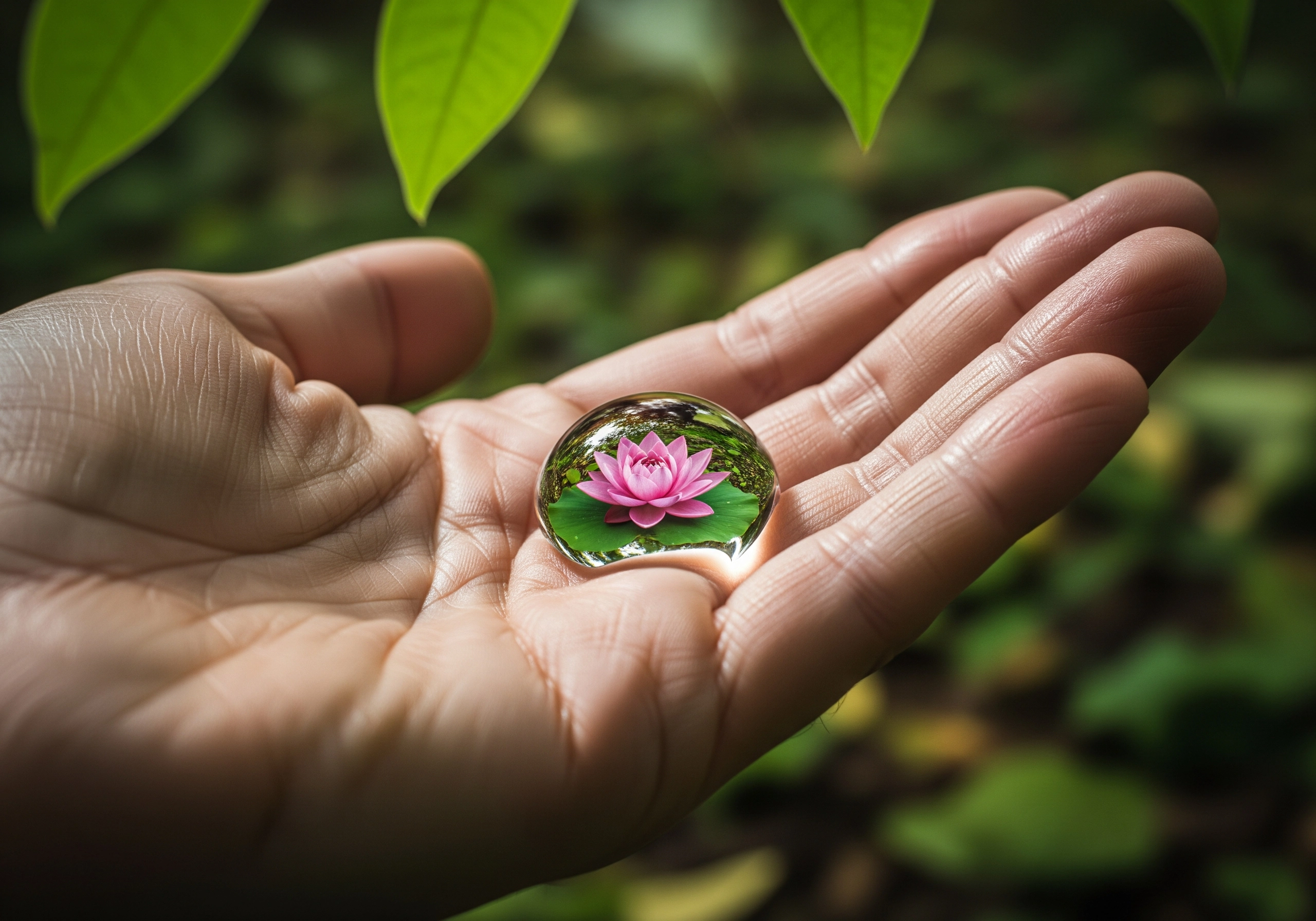
Amidst the demands of modern life, the idea of integrating mindfulness exercises might seem daunting, another task on an already overflowing plate. However, my experience, and that of countless individuals I’ve guided, shows that the most impactful practices are often the simplest. These aren’t grand gestures, but small, consistent anchors that ground you in the present moment, transforming scattered thoughts into focused calm.
The Power of a Breath Reset
The quickest path to anchoring yourself is through your breath. It’s always with you, a constant, reliable rhythm. For mindfulness for beginners, a simple breath reset can be profoundly effective. Instead of trying to control your breath, simply observe it.
Try a “60-Second Breath Reset.” Find a quiet moment, close your eyes if comfortable, and simply observe the sensation of your breath entering and leaving your body. Notice the rise and fall of your chest or abdomen. Don’t judge, just notice. You can explore more simple mindfulness practices that integrate breathing and other techniques to ground your year.
Even a minute of mindful breathing can recalibrate your entire system.
This brief pause sends a signal to your nervous system: you are safe, you are present. It’s a foundational step towards building a robust daily mindfulness practice.
Grounding Through Your Senses
When your mind races, or you feel overwhelmed, your senses can pull you back to reality. This is sensory grounding, and it’s a powerful mindfulness exercise. One popular technique is the 5-4-3-2-1 method.
- 5 things you can see: Look around and silently name five distinct objects.
- 4 things you can feel: Notice four sensations in your body or surroundings (e.g., the chair beneath you, your clothes on your skin, the air temperature).
- 3 things you can hear: Tune into three sounds, near or far.
- 2 things you can smell: Identify two scents, however subtle.
- 1 thing you can taste: Notice any taste in your mouth, or perhaps the lingering taste of your last meal or drink.
This method rapidly shifts your attention from internal chatter to external reality, making it excellent for managing moments of stress or anxiety. It’s an accessible way to engage with mindfulness practices and find inner peace.
Weaving Mindfulness into Your Day
The key to making these exercises your daily anchor isn’t about setting aside large blocks of time; it’s about consistency. Integrating these moments into your existing routines—what we call habit stacking—is incredibly effective. For instance, before you check your emails, take three conscious breaths. Before you sip your coffee, take a moment to truly smell and feel the warmth of the cup.
Consistency, not duration, is the cornerstone of a lasting mindfulness practice.
For those looking to deepen their daily mindfulness practice, resources like a 2026 Daily Practice Calendar can provide structured guidance, offering a range of beginner-friendly exercises. Tools like Zenfinity, with its AI-driven insights and guided meditation and breathwork exercises, can also provide personalized guidance, helping you weave these simple yet profound moments of self-regulation and clarity into your day. Embracing these mindful breathing and sensory techniques helps you cultivate a deeper awareness, making every day an opportunity for calm and clarity.
What Deeper Practices Can Unlock Greater Calm and Focus?
Moving beyond quick breath resets, we can unlock profound levels of calm and focus through more structured mindfulness practices. These techniques build on the foundational awareness we’ve discussed, deepening your connection to the present moment and fostering a more resilient state of mind. As a wellness expert, I’ve seen firsthand how these practices, rooted in Eastern wisdom, provide practical pathways to improved daily life and decision-making.
The Body Scan: Mapping Your Inner Landscape
The body scan meditation is a powerful practice for cultivating deep body awareness and releasing tension. It’s an excellent way to ground yourself when thoughts feel overwhelming or when you need to reconnect with your physical self. You simply lie down, close your eyes, and systematically bring your attention to different parts of your body, noticing any sensations without judgment.
Start with your toes, feeling the subtle tingling, warmth, or pressure. Slowly move up through your feet, ankles, calves, and so on, until you’ve scanned your entire body, including your face and head. The goal isn’t to feel anything specific, but merely to observe what is present.
A body scan helps you identify and release stored physical tension, fostering self-regulation.
This methodical approach can be incredibly relaxing, often leading to a sense of profound peace. It helps you understand how your emotions manifest physically, offering insights that can guide your choices. For a detailed guide on this, you might explore resources like “21 Mindfulness Exercises & Activities for Adults” which features the Body Scan as a core technique.
Sitting Meditation: Anchoring in the Present
Sitting mindfulness meditation is perhaps the most classic form, where you cultivate sustained attention, often using your breath as an anchor. The practice involves sitting comfortably, maintaining an alert yet relaxed posture, and bringing your awareness to your breath as it enters and leaves your body. This isn’t about controlling the breath, but observing its natural rhythm.
As thoughts inevitably arise, the practice isn’t to suppress them, but to acknowledge them gently and then return your focus to your mindful breathing. Each time your mind wanders and you bring it back, you’re building your mental muscle of attention and focus.
Consistency in sitting meditation, even for short durations, strengthens your capacity for inner clarity.
Regular practice helps to quiet the incessant mental chatter, allowing for greater peace and improved decision-making. You can explore more structured approaches to this practice through guides like the
Can You Integrate Mindfulness Seamlessly Into Your Busy Day?

Integrating mindfulness into a day already packed with commitments might seem like adding another item to an overflowing to-do list. However, my experience, and the wisdom of practices dating back 2,600 years, shows that true mindfulness isn’t about finding more time; it’s about transforming the time you already have. The goal isn’t perfection, but consistent, realistic engagement.
Embracing Micro-Moments: The Power of Short Bursts
Many believe that a dedicated hour-long meditation session is the only way to practice mindfulness. While longer sessions are beneficial, they aren’t always feasible. The most effective daily mindfulness practice often comes in micro-moments. Even five minutes a day can significantly shift your perspective and reduce stress, a fact supported by extensive research.
Consistency trumps duration when it comes to cultivating a mindful presence.
Think of these short bursts as mental resets. Whether it’s a 60-second breath focus between meetings or a conscious pause before starting a new task, these small acts accumulate, strengthening your ability to remain present. For more ideas on short, impactful practices, exploring resources like the Your 2026 Daily Practice Calendar can be incredibly helpful.
Habit Stacking for Seamless Integration
One of the most powerful strategies for weaving mindfulness into your routine is habit stacking. This involves attaching a new mindfulness practice to an existing daily habit. For instance, after you pour your morning coffee, take three deep, conscious breaths. Or, before checking your email, spend one minute observing your body’s sensations.
This approach leverages established routines, making the new practice feel less like an additional chore and more like a natural extension of your day. It’s about being intentional with moments that typically run on autopilot.
Mindful Eating: Savoring Every Bite
Mindful eating is an accessible and enjoyable way to cultivate present-moment awareness. Instead of rushing through meals, take a few minutes to truly engage with your food. Notice the colors, textures, and aromas before you even take a bite. Chew slowly, paying attention to the taste and sensations in your mouth.
This simple practice not only enhances your appreciation for food but also helps improve digestion and can prevent overeating. It transforms a routine activity into a rich, sensory experience, grounding you in the present.
Zenfinity: Your Partner in Daily Practice
To further support your journey, tools like Zenfinity are designed to integrate seamlessly into your busy life. Our guided meditation and breathwork exercises are crafted for all durations, from quick resets to deeper dives. We understand that achieving a balanced life in 2026 means having flexible, accessible resources at your fingertips.
Zenfinity provides personalized guidance, helping you build a sustainable daily mindfulness practice that aligns with your unique needs. Learn more about how we can help you embrace inner peace by visiting Zenfinity.
Realistic Expectations for a Balanced Life
Remember, mindfulness is a practice, not a destination. There will be days when your mind wanders, and moments when you forget to pause. This is completely normal. The key is to approach your practice with self-compassion and without judgment, gently redirecting your attention back to the present moment when you notice it has strayed.
True balance comes from consistent effort, not flawless execution.
By consistently engaging in these small, intentional acts of mindfulness, you’ll gradually enhance your self-awareness, improve your focus, and cultivate the resilience needed to achieve a balanced life, even amidst the demands of a hectic schedule.
What Are the Key Strategies for Sustained Mindfulness and Well-being?
Moving beyond initial enthusiasm, the true art of mindfulness lies in its sustained application. It’s about transforming scattered moments of awareness into a consistent, life-affirming practice. This journey requires more than just knowing a few effective mindfulness methods; it demands strategic planning and a generous dose of self-compassion to truly achieve balanced life.
Setting SMART Goals for Your Mindfulness Journey
To cultivate a lasting mindfulness practice, clarity is your compass. We advocate for setting Specific, Measurable, Achievable, Relevant, and Time-bound (SMART) goals. This structured approach helps transform vague intentions into actionable steps, significantly increasing success rates by up to 90%.
For instance, instead of a general aspiration like “I want to be more mindful,” a SMART goal would be:
- Specific: “I will practice mindful breathing for 5 minutes each morning.”
- Measurable: “I will track my 5-minute mindful breathing sessions daily using the Zenfinity app.”
- Achievable: “I will start with 5 minutes, knowing that even short, consistent practice is more effective than sporadic long sessions for consistency mindfulness.”
- Relevant: “This practice aligns with my goal to reduce stress and improve focus, helping me to achieve balanced life.”
- Time-bound: “I will commit to this daily practice for the next 30 days, reviewing my progress at the end of the month.”
This level of detail ensures you have a clear roadmap, especially for mindfulness for beginners, making the journey less daunting and more sustainable. For more detailed guidance on various techniques, explore resources like 21 Mindfulness Exercises & Activities for Adults.
Embracing Habit Stacking for Effortless Integration
One of the most powerful strategies for building consistency mindfulness is habit stacking. This involves attaching a new mindfulness practice to an existing habit you already perform daily. For example:
- After your morning coffee, take 2 minutes for a breath awareness exercise.
- Before opening your email, pause for a 30-second body scan.
- While waiting for water to boil, practice mindful observation of your surroundings.
This method seamlessly integrates new mindfulness methods into your routine without requiring extra time or effort, making them feel like a natural extension of your day. For more simple practices to ground your year, consider reading Intentional Living in 2026: Simple Mindfulness Practices to Ground ….
The Power of Self-Compassion
As you embark on this journey, remember that mindfulness is a practice, not a destination. There will be days when your mind wanders, or you miss a session. In these moments, self-compassion is paramount. Instead of self-criticism, acknowledge the lapse without judgment and gently redirect your attention back to your intention. This supportive approach fosters resilience and prevents discouragement, which is vital for long-term adherence to any of the mindfulness methods.
Cultivating inner peace through consistent practice is a transformative experience. Learn more about classic practices in Embrace Inner Peace: A Classic Journey into Mindfulness Practices in 2026. Remember, every moment of awareness contributes to a more centered and balanced you.
How Can You Navigate Common Challenges and Keep Your Practice Strong?

Even the most dedicated practitioners encounter bumps on the road to consistent mindfulness. It’s a journey, not a destination, and troubleshooting mindfulness is an essential part of growth. Expecting a perfectly still mind from day one is like expecting to run a marathon without training; it’s unrealistic and can lead to frustration. The true practice lies in how you respond to these inevitable mindfulness challenges. It’s about learning to adapt and refine your approach, rather than giving up. This iterative mindset is key to cultivating lasting well-being and achieving mental clarity 2026.
Overcoming Common Obstacles
Many individuals face similar hurdles when trying to establish a regular practice. Understanding these universal experiences can normalize your struggles and provide a roadmap for moving forward.
The Wandering Mind
Perhaps the most frequent complaint is a mind that simply refuses to settle. Thoughts, worries, and to-do lists constantly pull your attention away. This isn’t a sign of failure; it’s simply your mind doing what it’s evolved to do. The practice isn’t about stopping thoughts, but about noticing them without judgment and gently guiding your attention back to your anchor, be it your breath or sensory input.
Lack of Motivation and Consistency
Life gets busy, and sometimes mindfulness practice falls by the wayside. You might feel too tired, too stressed, or simply not in the mood. Remember, consistency in practice is more important than duration; even five minutes a day can make a difference. Small, consistent efforts build lasting habits.
Feeling Worse Before Feeling Better
Initially, mindfulness can sometimes bring uncomfortable emotions or sensations to the surface. This can be disorienting and even discouraging. It’s a natural part of becoming more aware, as you’re likely noticing feelings you previously suppressed or ignored.
Practical Strategies for a Strong Practice
Navigating these challenges requires practical tools and a compassionate approach. Here are some effective strategies to keep your practice strong and deepen your stress reduction mindfulness.
- Embrace the Gentle Return: When your mind wanders, acknowledge the thought without criticism. Then, with kindness, redirect your focus back to your chosen anchor. This act of redirection is the practice, not a deviation from it.
- Start Small and Build: If 10 minutes feels daunting, commit to 2 or 3. Use habit stacking by pairing your mindfulness moment with an existing routine, like your morning coffee or before bed. Remember, setting SMART goals can increase success rates by 90%.
- Practice Self-Compassion: Be kind to yourself, especially on days when practice feels difficult. Recognize that it’s okay to have off days. Your effort to show up, even imperfectly, is what counts.
- Explore Active Mindfulness: If stillness is challenging, try mindful walking, mindful eating, or engaging in a creative activity with full attention. These active forms can be powerful ways to process emotions and reduce stress.
- Leverage Guided Support: Sometimes, a little external guidance makes all the difference. For personalized support in navigating these common mindfulness challenges, tools like Zenfinity offer mindset coaching, meditation, and breathwork exercises designed to help you build a resilient and consistent practice. Explore how Zenfinity can enhance your journey toward greater self-awareness and emotional wellness at Zenfinity.
By reframing obstacles as opportunities for deeper practice and applying these strategies, you can maintain motivation, deepen your awareness, and sustain a powerful mindfulness practice. This resilience ensures your path to inner calm and clarity remains strong, no matter what life throws your way.
Are You Ready to Transform Your 2026 with Daily Mindfulness?
As we journey through the simple, yet profound, world of present-moment awareness, you’ve gained insights into powerful mindfulness methods. From quick breath resets to deeper body scans, and practical ways to integrate these into a busy schedule, the path to a more serene existence in 2026 is clearer than ever.
The Power of Consistent Practice
Embracing a daily mindfulness practice isn’t about lengthy, complex rituals. It’s about consistency. Even dedicating five minutes a day can make a significant difference, laying the groundwork for a life characterized by calm and focus. We’ve seen how mindfulness acts as a robust tool for enhancing self-control, improving attention span, and boosting emotional intelligence. These aren’t just abstract benefits; they translate directly into tangible improvements in your daily interactions and overall well-being.
Small, consistent steps unlock profound transformation.
Achieving a Balanced Life with Mental Clarity in 2026
The ultimate goal of these practices is to help you achieve a balanced life. By regularly engaging with these mindfulness methods, you cultivate mental clarity 2026 and beyond. This clarity empowers better decision-making and fosters an inner resilience against life’s inevitable stressors. Imagine navigating challenges with a steady mind, savoring moments of joy more deeply, and maintaining a profound sense of inner peace.
This isn’t just wishful thinking; it’s the proven outcome of sustained mindfulness. Research consistently highlights its benefits in stress reduction, improved sleep, and enhanced overall mental health.
Your Invitation to a Transformed Future
The knowledge is now yours. The only remaining step is commitment. Are you ready to embrace these practices and make 2026 the year you truly transform your relationship with yourself and the world around you? Begin today, even with just a single mindful breath, and watch as these moments accumulate into a profoundly more fulfilling life.
For a personalized companion on your journey to achieve a balanced life, explore how Zenfinity can support your daily mindfulness practice. Our AI-driven insights and guided exercises are designed to bring you calm, clarity, and confidence, making your path to sustained well-being both accessible and deeply rewarding.
Ready to cultivate calm and clarity in 2026? Discover personalized guidance and AI-driven insights to support your mindfulness journey with Zenfinity.
People Also Ask
What are the easiest mindfulness exercises for beginners?
Simple exercises like focusing on your breath for 60 seconds or using the 5-4-3-2-1 sensory grounding technique are excellent starting points. These methods require minimal time and help you connect with the present moment without judgment.
How can I practice mindfulness consistently even with a busy schedule?
Consistency is key, not duration. Integrate mindfulness through ‘micro-moments’ like mindful breathing during commutes or mindful eating during meals. Habit stacking, tying mindfulness to existing routines, also makes it easier to maintain.
What are the main benefits of a daily mindfulness practice?
A daily mindfulness practice can significantly reduce stress and anxiety, improve focus and attention span, enhance emotional regulation, and promote better sleep. It helps you navigate life’s challenges with greater resilience and clarity.
How does mindfulness contribute to a more balanced life?
Mindfulness cultivates self-awareness, emotional intelligence, and equanimity, allowing you to respond to situations more objectively rather than react impulsively. This leads to better decision-making and a greater ability to savor positive experiences.
Are active mindfulness practices beneficial?
Yes, active mindfulness practices, which involve movement like mindful walking or gentle yoga, are gaining traction. They can be very effective for processing emotions and releasing stress, especially when stillness feels challenging.
How can I set effective mindfulness goals for 2026?
Use the SMART goal-setting framework: Specific, Measurable, Achievable, Relevant, and Time-bound. For example, aim to practice mindful breathing for 5 minutes every morning for the next month. This structured approach increases success rates.