

Why Does Anxiety Feel So Heavy, and Who Does it Impact?

That familiar weight in your chest, the restless thoughts, the gnawing sense of unease – it’s a burden many carry, often silently. The sheer heaviness of anxiety isn’t just a fleeting emotion; it’s a persistent internal pressure that can feel all-consuming, making even simple decisions feel monumental. As a wellness expert, I’ve observed that this isn’t merely a personal struggle; it’s a global phenomenon that impacts millions.
The Global Reach of Anxiety’s Grip
When we look at anxiety disorder statistics, the numbers are stark. Approximately 4.4 percent of the global population, which translates to roughly 359 million people, lives with an anxiety disorder as of 2025-2026. This isn’t just a distant problem; it’s woven into the fabric of daily life for countless individuals worldwide.
In the United States, the prevalence is even more pronounced: nearly one in five adults and almost a third of adolescents experience anxiety annually. Women, in particular, are disproportionately affected, being 1.6 times more likely to grapple with anxiety than men. These figures highlight a widespread challenge that demands our attention and effective solutions.
The Untapped Potential for Anxiety Release
Despite the pervasive nature of anxiety, a significant gap in care persists. A staggering 72.4 percent of those with anxiety globally do not receive formal treatment. This means millions are navigating this heavy burden without the support and tools they need for genuine anxiety release. This is precisely why understanding how to stop anxiety from dominating our lives is more critical than ever.
Anxiety doesn’t have to be a permanent state; it’s a signal we can learn to understand and rebalance.
The path to feeling lighter begins with accessible, actionable strategies for emotional wellness. We can shift from simply enduring anxiety to actively cultivating inner clarity and self-regulation. For those seeking a guided journey to reduce the mental load, exploring effective techniques to reduce anxiety can provide essential relief.
At Zenfinity, our mission is to empower individuals to shed this heaviness. We offer personalized guidance and insights for navigating life’s challenges, focusing on self-discovery and personal growth through AI-driven Vedic astrology insights, mindset coaching, and guided breathwork exercises. Our approach at Zenfinity aims to provide the clarity and confidence needed to move forward.
How Can You Instantly Calm Overwhelming Anxiety Symptoms?
When anxiety’s overwhelming surge threatens to engulf you, the immediate need isn’t always deep introspection but rather a rapid, effective circuit-breaker. My experience has shown that sometimes, the most profound peace begins with a swift, physiological intervention to regain your footing.
Grounding Your Senses: The 5-4-3-2-1 Technique
One of the most powerful tools for instant anxiety relief is the 5-4-3-2-1 grounding technique. This simple yet profound exercise helps to anchor your mind firmly in the present moment by engaging your senses, effectively disrupting the cycle of anxious thoughts that often pulls us into a future that hasn’t happened yet. It’s a quick way to shift focus from internal chaos to external reality.
To practice 5-4-3-2-1:
- Five things you can see: Look around and identify five distinct objects. Notice their colors, shapes, and details.
- Four things you can touch: Focus on four items you can physically feel. This could be the texture of your clothing, the chair beneath you, or your hands.
- Three things you can hear: Tune into your environment and identify three different sounds, no matter how subtle.
- Two things you can smell: Pay attention to any scents around you, or even the subtle smell of your own skin or clothes.
- One thing you can taste: Notice the current taste in your mouth, or perhaps sip some water and focus on its flavor. For a deeper dive into this sensory grounding, explore the 5-4-3-2-1 Coping Technique for Anxiety.
Engaging your senses is a direct pathway to reclaiming control from an anxious mind.
Harnessing Your Breath: Diaphragmatic Breathing
Beyond sensory grounding, mastering your breath is a fundamental aspect of quick anxiety relief. The way we breathe directly impacts our nervous system. Rapid, shallow chest breathing signals stress, while slow, deep diaphragmatic breathing activates your parasympathetic nervous system, the body’s natural calming mechanism.
Focus on extending your exhale, making it longer than your inhale. This simple adjustment cues your body to relax, slowing your heart rate and reducing the physical sensations of anxiety. This form of breathwork is a cornerstone of self-regulation, a principle we champion at Zenfinity to help users find inner clarity.
The Cold Water Reset: Activating Your Mammalian Dive Reflex
When anxiety feels truly overwhelming, sometimes you need a physical
What Immediate Steps Stop a Panic Attack in Its Tracks?
The sudden, overwhelming surge of a panic attack can feel like a tidal wave, pulling you under before you even realize what’s happening. In those moments of intense physiological and psychological distress, having immediate, actionable strategies isn’t just helpful—it’s essential for regaining control. Our goal isn’t just to manage the symptoms, but to actively interrupt the brain’s alarm system and guide your body back to safety.
Activating Your Body’s “Hard Reset”
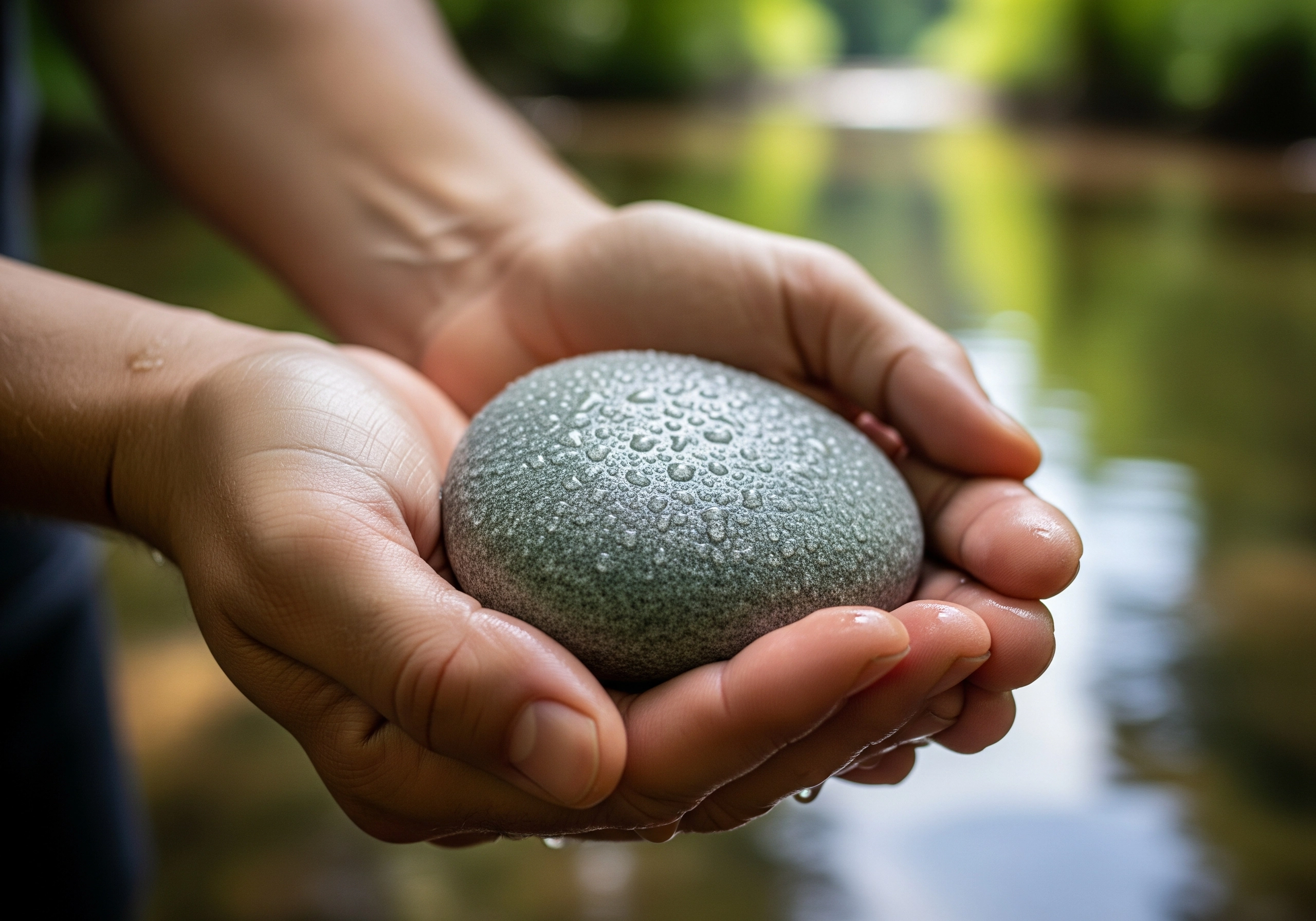
When your mind races and cognitive control feels out of reach, sometimes the fastest route to calm is through your physiology. One of the most powerful, yet often overlooked, tools for how to stop panic attacks is engaging the mammalian dive reflex. This ancient biological response is triggered by cold water contact with the face, particularly around the eyes and nose. When activated, it signals your vagus nerve to slow your heart rate and constrict peripheral blood vessels, diverting blood to vital organs. Studies show that cold water immersion can reduce heart rate by up to 15 percent within 30 seconds, providing immediate physiological calm.
To utilize this, simply splash very cold water on your face, especially around your eyes and temples, for 15-30 seconds. If a sink isn’t available, an ice pack or a cold, wet cloth applied to the forehead and eyes can achieve a similar effect. This immediate physiological shift can dramatically reduce the intensity of a panic episode.
Your Essential Panic Attack Survival Kit
Preparing a small, portable panic attack survival kit can be a game-changer, offering tangible tools when you need them most. The principle behind this kit is simple: provide sensory anchors and distractions to redirect your focus from internal panic to external reality.
Consider including items like:
- Sour Candy: A strong, unexpected taste, like a Warhead or an Altoid, can powerfully interrupt a spiraling thought pattern by demanding your full sensory attention.
- Ice Cubes or Cold Pack: Holding an ice cube in your hand or placing a small cold pack on your wrist or neck can replicate aspects of the dive reflex and provide a grounding sensation.
- Fidget Toy: A small, tactile object can offer a safe outlet for nervous energy and a point of focus.
- Coping Statements: Write down short, reassuring phrases like “This feeling will pass” or “I am safe” to read aloud to yourself. These simple affirmations can help reframe your internal dialogue during distress.
These items aren’t magic bullets, but they are practical friction-breakers that can help you regain a foothold when anxiety threatens to overwhelm.
Cultivating Long-Term Calm and How to Prevent Panic Attacks
While these immediate interventions are vital, the ultimate goal is to cultivate a state of sustained resilience and how to prevent panic attacks from occurring in the first place. This involves integrating practices that regulate your nervous system and foster inner clarity. Our approach at Zenfinity emphasizes that consistent engagement with tools like personalized Mindset Coaching and guided Breathwork exercises can build your capacity for self-regulation.
Regular practice, such as the diaphragmatic breathing techniques we explored previously, can strengthen your parasympathetic nervous system, making it easier to return to a calm state. By understanding your unique energetic blueprint through Vedic Astrology AI and leveraging Inner Coach AI, you gain insights that empower you to navigate life’s challenges with greater confidence. This holistic journey towards emotional wellness and self-awareness is key to creating a life where panic attacks become less frequent and less intense. Explore effective techniques to reduce anxiety and achieve inner peace by learning how to dissolve daily anxiety for instant calm.
How Do We Tackle Anxious Thoughts and Social Discomfort?
The incessant hum of anxious thoughts and the discomfort of social interactions can feel like an inescapable loop, affecting millions globally. With approximately 359 million people experiencing anxiety disorders worldwide, finding effective strategies to regain control is more critical than ever.
Breaking free from repetitive anxious thought patterns begins with conscious intervention and mindset reframing. Instead of allowing worries to spiral, we can learn to observe them without judgment, understanding they are often just signals, not absolute truths.
Techniques like cognitive reappraisal, which involves challenging and reinterpreting negative thoughts, are fundamental. This process helps shift your perspective from catastrophic thinking to a more balanced and realistic outlook, a core principle in managing how to stop anxiety thoughts effectively.
Our Inner Coach AI within Zenfinity can guide you through these reframing exercises, providing personalized prompts to challenge unhelpful thought loops and cultivate a calmer mental landscape. It’s about building a robust internal framework for self-regulation.
For many, social situations present a unique form of anxiety, leading to avoidance or intense discomfort. Tackling how to stop social anxiety involves a multi-pronged approach that includes both internal shifts and external habits.
Digital Hygiene for Mental Peace
In our hyper-connected 2026, digital hygiene has emerged as a crucial component of mental wellness. Mindful scrolling—consciously engaging with content rather than passively consuming—can significantly reduce social comparison and fear of missing out (FOMO).
Limiting social media use, especially one hour before bed, creates crucial space for mental rest and reduces the constant influx of external stimuli that can exacerbate social anxieties. This practice supports present moment awareness, allowing you to reconnect with your inner self.
Mindset Reframing for Social Interactions
Beyond digital habits, true mastery of social discomfort comes from a shift in perspective. Instead of focusing inward on self-judgment or perceived flaws during conversations, practice outward curiosity.
Ask open-ended questions, genuinely listen, and seek to understand others. This mindset reframing redirects attention away from your internal anxieties and onto the interaction itself, naturally reducing pressure and fostering genuine connection. For deeper insights into managing various forms of anxiety, consider exploring valuable anxiety hacks.
The latest developments in VR Exposure Therapy are also showing promise, allowing individuals to practice social scenarios in controlled, immersive environments. This technology, combined with traditional approaches, offers new pathways to overcome social phobias.
Understanding common social anxiety disorder symptoms can also be a key step in finding effective coping mechanisms.
Zenfinity’s personalized mindset coaching and guided meditation and breathwork exercises are designed to support these practices, offering practical tools for stress reduction and fostering inner clarity. We believe in empowering you with the insights for better decision-making and a more confident approach to life’s challenges. Discover more about our approach to emotional wellness and personal growth at Zenfinity.app.
What Modern Approaches Are Revolutionizing Anxiety Management in 2026?
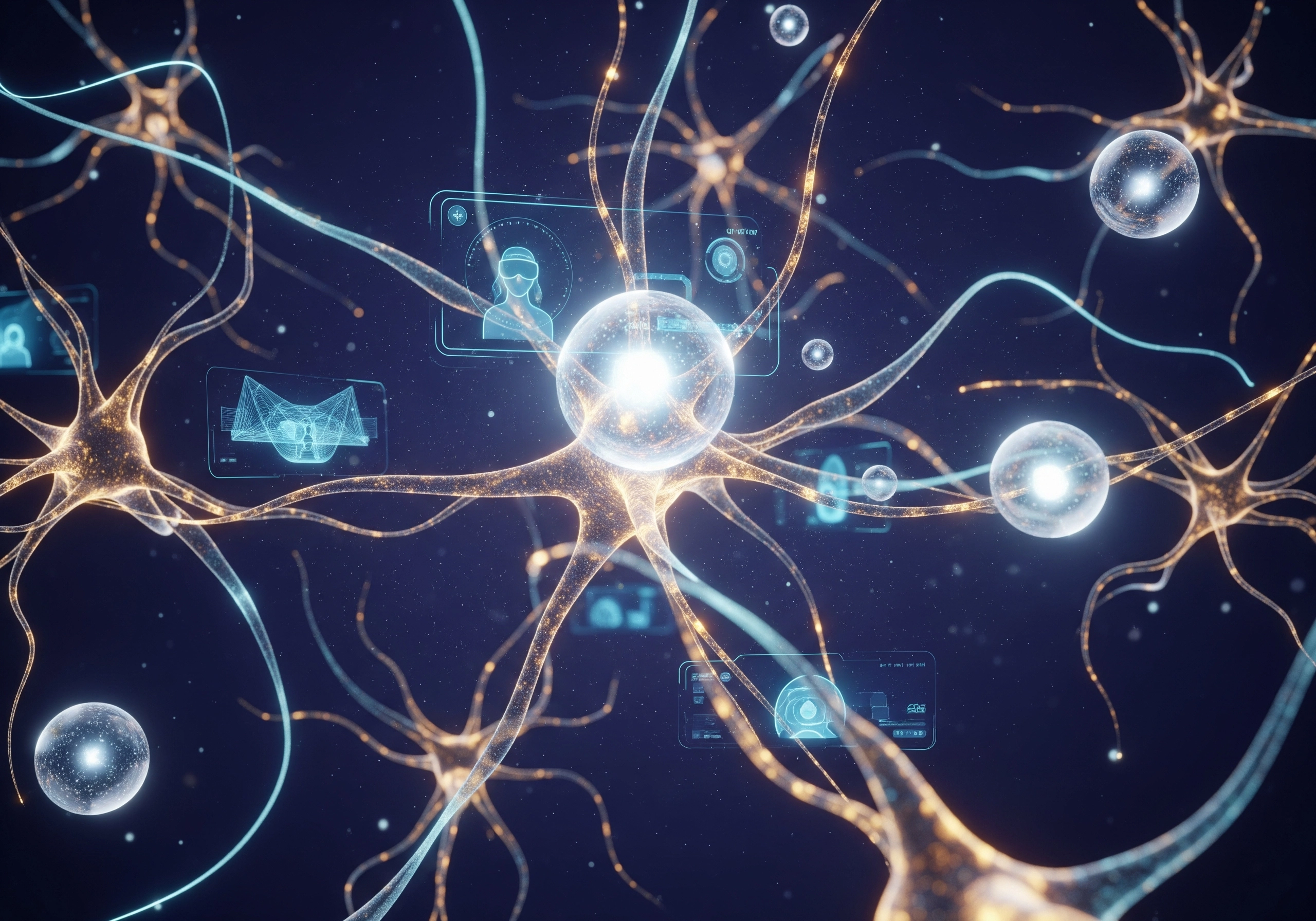
The landscape of anxiety management is transforming at an unprecedented pace, moving far beyond traditional methods into an era of personalized, technologically advanced solutions. In 2026, we’re witnessing a revolution, bringing sophisticated tools directly into the hands of those seeking relief.
The Rise of AI Mental Health Companions
One of the most significant shifts has been the widespread adoption of AI mental health companions. These intelligent platforms, like Wysa, Youper, and Flourish, are providing round-the-clock support rooted in Cognitive Behavioral Therapy (CBT) principles. Imagine having a non-judgmental, always-available guide to help you navigate anxious thought patterns.
These AI tools are not just chatbots; they are clinically validated resources that have demonstrated impressive results, with some trials showing symptom reduction rates of up to 31 percent. They bridge the significant gap in mental health care, offering accessible support to millions worldwide who might otherwise go without formal treatment.
Personalized, always-on support is becoming the new standard for mental wellness.
Here at Zenfinity, we understand the power of intelligent guidance. Our own Vedic Astrology AI and Mindset Coaching features are designed to offer personalized insights and strategies, mirroring this modern approach by providing tailored support for self-regulation and decision-making.
Immersive Healing with VR Exposure Therapy
Another groundbreaking innovation is VR exposure therapy. For individuals grappling with phobias, social anxiety, or even PTSD, virtual reality offers a safe, controlled environment to confront and desensitize triggers. Instead of imagining a challenging scenario, you can experience it in a simulated setting, gradually building resilience.
AI-enhanced VR platforms create highly realistic and adaptable environments, allowing therapists to customize exposure scenarios precisely to a patient’s needs. This method helps individuals practice coping mechanisms and reframe their responses in a low-stakes virtual world before applying them to real-life situations.
Unlocking Unique Paths with Precision Biotyping
Perhaps the most exciting frontier in personalized mental health is precision biotyping. This cutting-edge neuroscience leverages advanced techniques, including brain scans and data from wearable devices like Oura or Whoop, to identify an individual’s unique “cognitive biotype.”
Moving beyond generic treatments, biotyping tailors interventions to your brain’s specific patterns.
This approach promises to revolutionize how we treat anxiety by moving away from traditional trial-and-error methods. By understanding the specific biological underpinnings of an individual’s anxiety, clinicians can prescribe highly targeted therapies, medications, or lifestyle adjustments that are far more likely to be effective. It ensures that the support you receive is not just generalized advice but truly aligned with your unique physiological and psychological makeup.
These advancements signify a profound shift: anxiety management is no longer a one-size-fits-all endeavor but a deeply personal, data-driven journey toward inner clarity and emotional wellness.
What Are the Best Long-Term Strategies to Reduce Daily Anxiety?
While previous discussions have explored immediate techniques to quiet the storm of anxiety, true, lasting calm isn’t found in quick fixes. It emerges from consistently nurturing your well-being, building a resilient inner landscape that can weather life’s inevitable challenges. This journey involves holistic lifestyle shifts that address the root causes of unease, rather than just the symptoms.
The Power of Movement: Exercise for Anxiety Relief
Integrating regular physical activity is arguably one of the best way to relieve anxiety long-term. When we move, our bodies release endorphins, natural mood elevators that can significantly reduce stress hormones like cortisol. Think of it as a natural reset button for your nervous system.
It’s not about intense, grueling workouts daily. Even consistent, moderate activity makes a profound difference. Consider incorporating:
- Aerobic Activity: Aim for at least 150 minutes of moderate aerobic exercise weekly, such as brisk walking, jogging, cycling, or swimming. These activities have a proven track record in lowering baseline anxiety levels.
- Exercise Snacks: Short bursts of movement, even 10-15 minutes, can break up sedentary periods and provide immediate mood boosts. A quick walk, some stretching, or a few push-ups can interrupt anxious thought patterns.
Consistent movement helps your body process stress more effectively, preventing anxiety from taking deep root.
Fueling Serenity: Diet for Anxiety Relief
What we consume profoundly impacts our mental state. A diet for anxiety relief focuses on nourishing your brain and stabilizing your mood, reducing the physiological triggers that can exacerbate anxiety. This isn’t about deprivation; it’s about conscious choices.
To effectively how to get over anxiety through diet, consider these adjustments:
- Reduce Ultra-Processed Foods: These often contain high levels of sugar, unhealthy fats, and artificial additives that can contribute to inflammation and mood instability. Opt for whole, unprocessed foods instead.
- Limit Caffeine and Alcohol: While they might offer a temporary lift or unwind, both can disrupt sleep and heighten anxiety, especially in sensitive individuals. Gradually reducing intake can lead to a more stable nervous system.
- Prioritize Nutrient-Dense Foods: Include plenty of fruits, vegetables, whole grains, lean proteins, and healthy fats (like omega-3s found in fish or flaxseed). These provide the essential nutrients your brain needs to function optimally.
By making mindful dietary choices, you create a more stable internal environment, reducing nervous system reactivity.
Cultivating Inner Calm Through Mind-Body Practices
Beyond physical and dietary adjustments, consistent stress management practices are crucial for long-term anxiety reduction. This is where the wisdom of ancient traditions meets modern psychology to provide powerful tools for self-regulation.
Guided Meditation and Breathwork
Conscious breathwork, like Nadi Shodhana, and guided meditation are core pillars in building inner clarity. These practices teach you to observe your thoughts without judgment and to intentionally shift your physiological state, moving from fight-or-flight into rest-and-digest. At Zenfinity, we provide a wealth of accessible guided meditation and breathwork exercises designed to help you integrate these powerful techniques into your daily routine.
Mindset Coaching and Self-Awareness
Understanding your unique patterns and responses to stress is a game-changer. Through practices like journaling, self-reflection, and seeking personalized guidance, you can uncover the underlying mechanisms of your anxiety. Our Mindset Coaching and Vedic Astrology AI tools offer insights to help you build self-awareness and make empowered decisions, moving beyond reactive anxiety to proactive peace.
True resilience against anxiety is an ongoing practice, a commitment to nurturing your whole self, mind, and body, every single day.
By embracing these holistic, long-term strategies—from movement and nutrition to mindful practices and self-discovery—you can significantly reduce daily anxiety and cultivate a profound sense of inner calm and confidence.
Why Might Your Anxiety Not Be Easing, and How Can You Find Solutions?

It can be deeply frustrating when you’ve diligently applied grounding techniques, practiced breathwork, and made lifestyle adjustments, yet your anxiety persists. You’re not alone in experiencing this; sometimes, despite our best efforts, persistent anxiety remains a challenging companion.
Common Hurdles in Anxiety Troubleshooting
Often, the path to easing anxiety isn’t linear. One common pitfall is inconsistency; techniques like the 5-4-3-2-1 grounding method or diaphragmatic breathing are powerful, but their effectiveness compounds with regular practice. Sporadic application might not yield the sustained relief you’re seeking.
Another factor often overlooked in anxiety troubleshooting is the influence of underlying physiological or situational stressors. While “exercise snacks” and dietary adjustments help, chronic sleep deprivation, unresolved conflict, or unaddressed nutritional deficiencies can fuel the nervous system’s reactivity, making it harder for anxiety to dissipate.
True relief comes from addressing both the symptoms and their root causes.
When Self-Help Isn’t Enough: When to Seek Therapy
While self-management strategies are incredibly valuable, there are clear indicators that professional support might be necessary. With approximately 4.4 percent of the global population experiencing an anxiety disorder and only 27.6 percent receiving formal treatment, a significant gap in care exists. Recognizing when to seek therapy is a crucial step towards comprehensive wellness.
Consider reaching out to a mental health professional if:
- Your anxiety frequently interferes with daily activities, work, or relationships.
- Symptoms are worsening or becoming more frequent despite consistent self-help efforts.
- You experience intense panic attacks, as discussed in previous sections, that feel unmanageable.
- You suspect co-occurring conditions like depression or other mental health challenges.
Seeking professional guidance isn’t a sign of weakness; it’s a proactive step toward profound healing.
Expanding Your Anxiety Resources for Deeper Support
When navigating persistent anxiety, a multi-faceted approach often yields the best results. Beyond traditional therapy, consider how modern tools can offer personalized support. AI mental health companions, like those offering CBT-based support, provide accessible, 24/7 assistance, showing promising symptom reduction rates.
For those seeking integrated wisdom and personalized insights into their emotional wellness, resources like Zenfinity can be invaluable. Our platform offers AI-driven Vedic astrology insights combined with mindset coaching and guided meditation and breathwork exercises to cultivate inner clarity and enhance decision-making. You can explore how Zenfinity provides personalized guidance for self-regulation and emotional wellness at https://www.zenfinity.app.
Remember, your journey to feeling lighter and more confident is a personal one, and a wealth of anxiety resources exists to support you every step of the way.
How Can You Maintain a Lighter State of Mind Moving Forward?
As we conclude this exploration into shedding anxiety, remember that the journey toward a lighter state of mind is not a destination, but a continuous practice. We’ve uncovered an array of powerful tools, from immediate grounding techniques to cutting-edge modern approaches. All are designed to empower you to reclaim your inner calm.
Embracing Your Ongoing Anxiety Release Journey
Think of the techniques we’ve discussed as your personal toolkit.
The 5-4-3-2-1 grounding technique and diaphragmatic breathing offer immediate anchors when anxiety surges. Meanwhile, the mammalian dive reflex provides a quick physiological reset.
These aren’t just one-off fixes. They are skills to be honed, integrated into your daily rhythm for true anxiety release.
Consistency transforms moments of relief into lasting peace.
Long-term strategies, like consistent exercise, mindful nutrition, and dedicated mind-body practices, are the bedrock of a sustained anxiety release journey. These aren’t quick fixes but vital anxiety management habits that reshape your nervous system over time.
To truly cultivate a lighter state of mind, consider integrating these practices daily. From instant grounding to leveraging advanced AI insights, every step strengthens your resilience.
Zenfinity, with its AI-driven Vedic astrology insights, mindset coaching, and guided meditation, can be a powerful ally in building these anxiety management habits. It offers personalized guidance for navigating life’s challenges.
Remember, your future well-being is a continuous journey of self-discovery and consistent practice. You have the power to reclaim your inner calm and navigate life’s challenges with clarity and confidence.
Ready to find lasting calm? Discover personalized AI-driven insights and tools for emotional wellness at Zenfinity.
People Also Ask About Anxiety Relief
What is the fastest way to reduce anxiety symptoms?
The fastest way to reduce anxiety symptoms often involves immediate grounding techniques like the 5-4-3-2-1 method, which reorients your senses. Diaphragmatic breathing, focusing on extended exhales, can also quickly activate your parasympathetic nervous system for a calming effect.
How can I stop a panic attack when I feel it coming on?
To stop a panic attack, try activating the mammalian dive reflex by splashing cold water on your face or holding an ice pack to your eyes for 15-30 seconds. This physiological response can rapidly lower your heart rate and provide a sense of immediate calm, even when cognitive control feels lost.
What are effective long-term strategies for managing daily anxiety?
Long-term anxiety management involves consistent lifestyle adjustments. Incorporating regular aerobic exercise, even in short ‘exercise snacks,’ and reducing intake of processed foods and caffeine can significantly lower your nervous system’s baseline reactivity. Building resilience through these habits is key.
Are AI mental health tools helpful for anxiety in 2026?
Yes, AI mental health companions are increasingly effective for anxiety management in 2026. Tools like Wysa and Youper offer 24/7 support using CBT principles and have shown significant symptom reduction in recent clinical trials, providing accessible and personalized assistance.
How can I stop anxious thoughts from taking over?
To stop anxious thoughts, practice mindset reframing by shifting your focus from self-judgment to outward curiosity. Engaging in mindful scrolling and limiting social media use, especially before bed, can also reduce mental clutter and prevent anxious rumination.
What is the best way to relieve anxiety for good?
Relieving anxiety permanently involves a combination of immediate coping strategies and long-term resilience building. This includes mastering grounding techniques, understanding physiological responses like the mammalian dive reflex, and adopting healthy lifestyle habits, alongside seeking personalized guidance when needed.