

Why Does Genuine Presence Matter More Than Ever in 2026?

In 2026, we find ourselves at a fascinating crossroads. Technology promises to connect us more than ever, yet a profound sense of disconnection often lingers. We’re bombarded with information, notifications, and an ever-accelerating pace of life, which can leave us feeling scattered and perpetually a step behind. This is precisely why cultivating daily mindfulness and genuine presence has become not just a desirable trait, but an essential skill.
The data speaks volumes. A significant 38% of U.S. adults are setting mental-health-related resolutions for 2026, signaling a collective yearning for greater well-being. This isn’t just a fleeting trend; younger generations, particularly Gen Z and millennials, are actively prioritizing their mental health, with 42% considering mindfulness a “very high priority.” They’re not just seeking solutions; they’re demanding accessible, practical tools to navigate modern life.
The Shifting Landscape: Why Now?
The meditation and mindfulness market is booming, projected to reach an astounding $7.25 billion by 2033. This growth isn’t accidental. It reflects a deep societal need to reclaim focus and inner calm amidst the digital din. For us at Zenfinity, we see this firsthand: people are actively seeking ways to move beyond mere existence and truly enhance presence in their lives.
Genuine presence means being fully engaged with the ‘here and now’.
This heightened awareness allows us to savor life’s pleasures, engage deeply in conversations, and build resilience against the inevitable challenges. When we are present, our minds are less likely to wander into future worries or past regrets, leading to a profound sense of inner peace and clarity.
Reclaiming Your Moments Through Daily Mindfulness
Many believe that mindfulness requires hours of silent meditation. While formal meditation is powerful, the true magic of mindfulness in daily life lies in its simplicity. Small, consistent practices can transform your experience. Imagine starting your day with a few minutes of mindful breathing, bringing calm and focus. Or perhaps, taking a mindful walk during your lunch break, truly noticing the sensations around you. These aren’t just breaks; they are acts of conscious engagement that feed your soul.
Research consistently highlights the benefits: reduced stress and anxiety, improved emotional regulation, enhanced cognitive abilities, and stronger relationships. For instance, 65% of individuals with chronic pain report improved management after adopting mindfulness-based stress reduction programs. It’s clear: the return on investment for cultivating presence is immense, impacting both mental and physical health.
To begin your journey toward greater mindfulness 2026, remember that consistency trumps intensity. Even 10 minutes a day, perhaps split into two 5-minute sessions, can create significant shifts. It’s about integrating these practices seamlessly into your routine, making them as natural as breathing itself. Zenfinity offers tools like guided meditation and breathwork to support this integration, helping you build a foundation for inner clarity and confidence. Discover how to begin mindfulness with simple steps for inner clarity in 2026 by exploring resources like How to Begin Mindfulness: Simple Steps for Inner Clarity in 2026. You can also learn how to integrate mindfulness into your daily routine for inner calm with our guide How to Integrate Mindfulness into Your Daily Routine for Inner Calm.
This isn’t about adding another task to your day; it’s about infusing your existing moments with richer meaning and intention. It’s about choosing to live fully, presently, and with genuine awareness. For more practical approaches, consider our insights on How to Transform Your Day: Simple Mindfulness Methods for a Balanced Life in 2026, which offers actionable techniques for stress reduction and enhanced well-being. Zenfinity is here to guide you on this path toward a more grounded and resilient self. Visit Zenfinity to explore personalized guidance and tools for your mindfulness journey.
What Are the Core Pillars of Mindfulness Practice for Beginners?
Many people hear “mindfulness” and imagine hours of silent meditation, but the truth is far simpler and more accessible, especially for beginners. At its core, the mindfulness definition is about purposefully paying attention to the present moment without judgment. It’s not about emptying your mind, but rather noticing what’s already there—thoughts, sensations, and emotions—with an open and curious awareness.
The Anchor: Mindful Breathing
The most fundamental pillar for anyone looking to cultivate mindfulness for beginners is the breath. Your breath is always with you, a constant, gentle rhythm that can anchor you to the present. By simply focusing on the sensation of inhaling and exhaling, you create a momentary pause from the mind’s constant chatter.
To begin, find a comfortable seat and gently close your eyes, or soften your gaze. Bring your attention to the rise and fall of your chest or abdomen. Notice the cool air entering your nostrils and the warm air leaving. When your mind inevitably wanders—and it will—gently guide it back to your breath without frustration. This gentle return is the practice itself.
Just a few minutes of mindful breathing can reset your focus and calm your nervous system.
Expanding Awareness to Daily Life
While formal meditation is powerful, you don’t need to be on a cushion to practice mindfulness. The goal is to weave this awareness into your everyday activities. This means engaging fully with whatever you’re doing, whether it’s drinking a cup of tea, walking, or even washing dishes.
Consider how you can bring full attention to a simple task. Feel the texture of your clothes, listen to the sounds around you, or truly taste your food. This intentional engagement transforms mundane moments into opportunities for presence. Integrating these practices into your day helps you reclaim richness in ordinary life and build resilience against daily stressors. For more practical approaches, explore how to incorporate these techniques into your routine to find inner calm.
Starting Small: Consistency Over Intensity
For mindfulness for beginners, consistency is far more important than duration. Experts recommend starting with short, manageable sessions—even just 5 to 10 minutes a day can make a significant difference. You can split this into two smaller sessions, perhaps one in the morning and one in the evening, to bookend your day with calm.
Set a clear intention, choose a consistent time, and be patient with yourself. The journey of mindfulness is not about perfection, but about the gentle, repeated effort of bringing your attention back to the present. Tools like Zenfinity, with its personalized guidance and Mindset Coaching, can provide structured approaches to help you build these habits. To further guide your initial steps, consider utilizing resources like a daily practice calendar that offers beginner-friendly exercises.
By focusing on mindful breathing and integrating present moment awareness into your daily activities, you lay a strong foundation for a more peaceful and focused life.
How Can You Weave Simple Mindfulness Exercises Into Your Daily Routine?

Many people believe that integrating mindfulness into their lives requires hours of dedicated meditation or a complete overhaul of their daily schedule. The truth, as I’ve observed in my work, is far simpler and more accessible. You don’t need a meditation cushion or a quiet retreat to cultivate a deeper sense of presence; you can weave simple, effective mindfulness exercises directly into the fabric of your everyday routine.
The Power of Micro-Moments
Starting small is key. The goal isn’t perfection, but consistency. Even a few minutes a day can create profound shifts in your focus and emotional regulation. This approach resonates with the growing trend of mental well-being prioritization, especially among younger generations.
Mindfulness isn’t about adding more to your plate; it’s about enriching what’s already there.
One of the most immediate ways to begin is through conscious breathing. As you brew your morning coffee or wait for a meeting to start, take a few deep breaths. Notice the sensation of air entering and leaving your body, the rise and fall of your chest. This simple act anchors you to the present, clearing mental clutter. For more structured approaches to inner calm, exploring various mindfulness methods can provide a solid foundation.
Transforming Routine into Ritual
Consider your daily commute or a walk around the block. Instead of letting your mind wander to past regrets or future anxieties, practice mindful walking. Feel your feet connect with the ground, notice the sights and sounds around you without judgment, and observe your breath. This transforms a mundane task into an opportunity for presence and grounding.
Everyday Mindfulness Integration
Integrating mindfulness in daily life extends beyond formal exercises. Think about your meals. How often do we eat while distracted by screens or thoughts? Try savoring just one bite of your food, noticing its texture, taste, and smell. This simple act brings awareness to a fundamental human experience. You can find more practical ways to practice mindfulness within your routine.
For those who prefer a more guided approach, guided mindfulness meditation can be incredibly beneficial. These sessions provide a framework, helping you focus your attention and develop specific skills like body awareness or compassion. Many resources, including apps like Zenfinity, offer short, accessible guided meditations perfect for beginners or for those seeking to deepen their practice.
Even 5-10 minutes of intentional practice can significantly reduce stress and improve focus.
Zenfinity, for instance, offers guided meditation and breathwork exercises designed to integrate seamlessly into your day. Its AI-driven insights, like those from StarSage or Inner Coach AI, help personalize your journey, making mindfulness approachable and impactful for managing life’s challenges and cultivating inner clarity. This kind of personalized support ensures that your journey towards enhanced presence is both effective and sustainable.
By embracing these simple shifts, you’re not just ‘doing’ mindfulness; you’re living it, fostering a more balanced and aware existence.
Which Advanced Techniques Elevate Your Mindfulness Practice Beyond the Basics?
Once you’ve established a consistent foundation with mindful breathing and integrating presence into daily routines, a natural curiosity often emerges: what comes next? Moving beyond the basics isn’t about abandoning what works, but about expanding your toolkit. It’s about cultivating a richer, more nuanced relationship with your inner landscape, fostering sustained growth in your journey toward clarity and calm.
Deepening Awareness with Body Scan Meditation
One powerful technique to elevate your practice is the body scan meditation. This isn’t just about noticing sensations; it’s a systematic, guided exploration of every part of your body. You bring gentle, non-judgmental attention to each area, from your toes to the crown of your head, observing any feelings, tensions, or ease present.
The body scan helps to release stored tension and heighten interoceptive awareness.
This practice is particularly effective for grounding yourself and developing a profound connection to your physical self, often revealing insights about how emotions manifest physically. It’s a natural progression from simple breath awareness, teaching you to spread that mindful attention across your entire being. Many mindfulness apps, including Zenfinity, offer guided body scan meditations to help you navigate this process smoothly.
Cultivating Connection with Loving-Kindness Meditation
Another transformative practice is loving-kindness meditation, or Metta. While traditional mindfulness often focuses on present-moment awareness, Metta actively cultivates feelings of warmth, goodwill, and compassion—first for yourself, then for loved ones, neutral persons, difficult individuals, and finally, all beings. This practice shifts your internal state from mere observation to active cultivation of positive emotions.
Loving-kindness meditation expands your capacity for empathy and reduces self-criticism.
This form of mindfulness meditation has profound effects on emotional regulation and relationships. It helps dissolve barriers of judgment and fosters a sense of interconnectedness, enriching your inner peace and outward interactions. For those seeking deeper emotional wellness, embracing these practices can be truly liberating, as explored in “Embrace Inner Peace: A Classic Journey into Mindfulness Practices in 2026.”
Engaging with Active Mindfulness
For those who find stillness challenging, or simply wish to integrate mindfulness more dynamically, active mindfulness offers a vibrant alternative. This involves bringing full, conscious attention to activities that typically involve movement or engagement. Think mindful walking, mindful eating (savoring each bite), or even mindful chores.
As Yoga Journal highlights, sometimes stillness isn’t what’s needed; instead, practices like vigorous movement can become a form of mindful release, as long as you remain present with your feelings. This approach acknowledges that mindfulness isn’t confined to a meditation cushion; it’s a quality of attention you can bring to any moment.
Active mindfulness transforms everyday tasks into opportunities for presence and focus.
Whether it’s feeling the rhythm of your steps during a walk or fully immersing yourself in a creative pursuit, active mindfulness ensures your practice evolves with your lifestyle. Zenfinity’s mindset coaching and guided breathwork exercises can help you integrate these advanced techniques, offering personalized guidance for navigating life’s challenges with inner clarity and self-awareness.

How Do You Overcome Common Obstacles and Stay Consistent with Mindfulness?
The quest for inner calm and focus is more vital than ever, with 38% of U.S. adults setting mental-health-related New Year’s resolutions for 2026. As a wellness expert, I’ve observed a common pattern: initial enthusiasm for mindfulness often flickers when met with daily life’s relentless pace. The true measure of a mindfulness practice isn’t just its initiation, but its enduring presence. It’s about gracefully navigating challenges and nurturing commitment.
Navigating the Inevitable Hurdles to Consistent Mindfulness
Integrating mindfulness into a busy life comes with universal obstacles. You might grapple with a perceived lack of time, a restless mind, or self-judgment when your practice feels less than ‘perfect.’ These are not signs of failure, but shared human experiences on the path to greater presence.
The Time Illusion: Cultivating Presence in Micro-Moments
One persistent myth is that effective meditation demands lengthy sessions. In our hyper-connected world, dedicating hours feels impossible. However, consistency in mindfulness isn’t about marathon sittings; it flourishes through intentional micro-moments woven throughout your day.
Even the smallest, most consistent efforts compound into profound shifts over time.
Instead of aiming for an hour, begin with a manageable 5-10 minutes. Perhaps mindful breathing as you wake, or a conscious, present walk during your commute. As The Mindfulness App highlights in its insights on achieving consistency in mindfulness, structured goal-setting and habit stacking can transform these brief practices into enduring habits. True mindfulness practice integrates presence into life, not another burdensome task.
Befriending the Restless Mind
The mind’s natural inclination is to wander during meditation. This isn’t a flaw; it’s simply the mind’s inherent nature. The essence of a successful mindfulness practice isn’t to silence thoughts, but to cultivate gentle awareness of their arising. Acknowledge them without judgment, and with compassionate resolve, guide your attention back to your chosen anchor—be it breath, bodily sensations, or ambient sounds.
Consider it a deliberate exercise for your attentional muscle; each return to the present strengthens your capacity for sustained focus. These mindfulness tips emphasize patience, curiosity, and profound self-compassion. The ultimate aim is not an empty mind, but one more aware, less reactive, and profoundly present.
Releasing the Grip of Self-Judgment
Another significant hurdle is the tendency to judge one’s practice. Thoughts like “I’m not doing this right” or “My mind is too busy” can quickly derail motivation. Remember, mindfulness is a practice, not a performance. There’s no ‘perfect’ way; there’s only your way, in this moment.
Cultivate gentle acceptance. When self-judgment arises, simply acknowledge it as another thought, and kindly return your focus. This shift from self-criticism to self-compassion is crucial for consistency in mindfulness. It allows you to embrace imperfections, fostering resilience and a deeper connection to your inner experience.
Can Digital Tools and Modern Approaches Aid Your Mindfulness Journey?
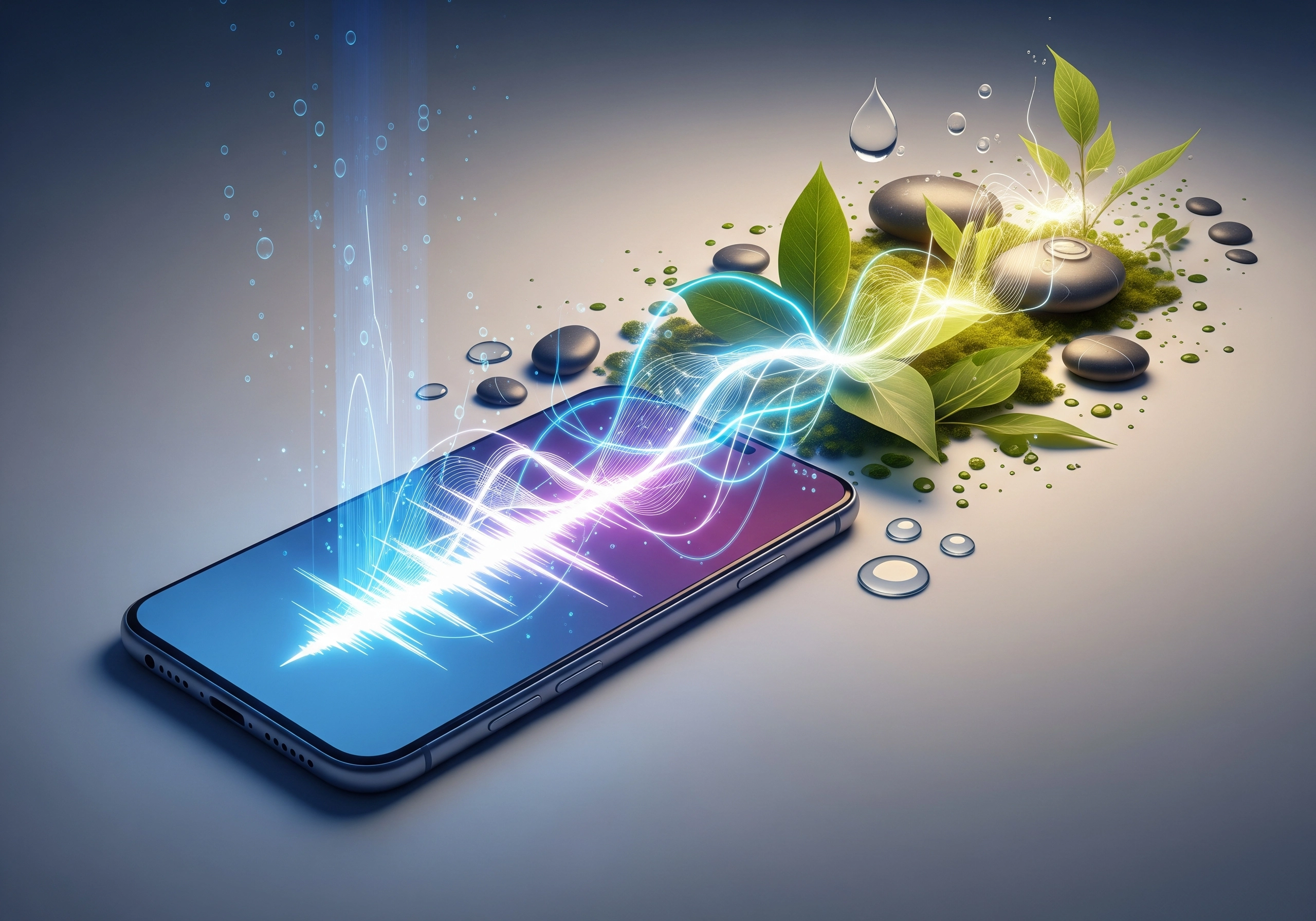
In a world that often feels overwhelmingly digital, it might seem counterintuitive to suggest that technology can actually deepen your mindfulness journey. Yet, in 2026, we’re witnessing a powerful convergence: the ancient wisdom of mindfulness meeting the innovative edge of digital tools. As a wellness expert, I’ve observed a significant shift; younger generations, particularly Gen Z and millennials, are not just open to but actively seeking practical, accessible solutions for mental well-being.
The Digital Embrace of Mindfulness
The landscape of mental wellness is rapidly evolving. We know that 38% of U.S. adults are prioritizing mental-health-related New Year’s resolutions for 2026, signaling a collective desire for greater inner peace. This demand has fueled the rise of mindfulness apps and digital mindfulness platforms, which are transforming how millions access and sustain their practice. The global meditation and mindfulness market, projected to reach an estimated $7.25 billion by 2033, underscores this trend.
Technology is no longer just a distraction; it’s becoming a facilitator for presence.
These platforms offer an immediate entry point into practices that might otherwise feel intimidating. They democratize access, making guided meditations, breathwork exercises, and mindful moments available at your fingertips, anytime, anywhere. This accessibility is a cornerstone of Gen Z mindfulness, where convenience and personalization are highly valued.
Personalized Guidance at Your Fingertips
One of the most impactful 2026 mindfulness trends is the integration of personalized guidance. What once required a personal teacher or extensive study is now being delivered through intelligent algorithms. Think of it as having an experienced guide tailored to your unique needs.
Platforms like Zenfinity exemplify this by blending AI-driven Vedic astrology insights with mindset coaching and guided meditation and breathwork exercises. This allows for a truly personalized journey, offering self-regulation tools and decision-making support that resonate with individual life paths. For those looking to delve into foundational practices, exploring resources on classic mindfulness practices can provide a strong base.
Enhancing Practice with Smart Tools
Digital tools can serve as powerful allies in cultivating a consistent practice. They often provide:
- Structured Sessions: Guided meditations that remove the guesswork for beginners.
- Tracking & Reminders: Gentle nudges to keep your practice consistent.
- Diverse Content: Access to various styles, from mindful breathing to body scans, catering to different preferences.
- Community Support: Some apps offer a sense of connection with fellow practitioners.
Instead of feeling overwhelmed by traditional methods, these tools offer a low-barrier entry point, making mindfulness less of a chore and more of an integrated lifestyle choice. Integrating mindfulness into daily life, whether through an app or simple exercises, is key to sustained well-being.
The Future of Presence: Balanced Integration
While digital tools offer immense benefits, the core of mindfulness remains an internal practice. They are aids, not replacements. The real power comes from how we integrate them into our lives, ensuring they support rather than supersede our direct experience. This balanced approach is crucial for future-proofing our mental well-being.
Modern mindfulness thrives on practical application, whether tech-assisted or organically integrated into daily activities.
By leveraging mindfulness apps and embracing the dynamic approaches favored by younger generations, we can significantly enhance our journey toward greater calm, clarity, and confidence. The goal is to use these innovations to foster genuine presence, transforming fleeting moments into opportunities for mindful engagement, just as we learn to bring awareness to mindfulness in daily activities.
What Does a Truly Mindful Life Look Like, and How Do You Get There?
A truly mindful life isn’t an escape from reality, but a deeper, more profound engagement with it. It’s about cultivating a heightened sense of presence, not just during formal meditation, but woven into every fiber of your day. Imagine moving through your world with clarity, calm, and a quiet confidence, even amidst the inevitable chaos. This isn’t a utopian ideal; it’s the tangible outcome of a dedicated mindfulness journey.
What a Truly Mindful Life Looks Like
Living mindfully means experiencing life fully, moment by moment. It’s savoring your morning coffee, truly listening to a loved one, or noticing the sensation of your feet on the ground as you walk. It’s about consciously responding to situations rather than reacting impulsively. This enhanced daily presence leads to reduced stress, improved emotional regulation, and a greater capacity for joy, as robust research consistently shows.
True mindfulness reframes challenges as opportunities for growth, not just burdens.
This isn’t about eliminating thoughts or feelings, but about observing them without judgment, creating space between stimulus and response. It’s a continuous process of waking up to the richness of the present, allowing you to engage with the world more authentically and with less mental clutter.
The Path to Getting There
The path to such a life is less a sprint and more a continuous, gentle exploration. It begins with consistent daily mindfulness practices. Simple yet powerful exercises like mindful breathing, body scans, or even mindful walking transform ordinary moments into opportunities for self-connection. You don’t need hours; even a few minutes can make a significant difference in shifting your perspective and grounding your awareness.
For those seeking structured support on this path, tools like Zenfinity can become invaluable companions. Our platform offers personalized guidance, from AI-driven Vedic astrology insights to mindset coaching and guided meditation and breathwork exercises. These are all designed to help you cultivate inner clarity and make conscious decisions, making it easier to practice mindfulness every day. Explore how our approach supports your well-being at Zenfinity.app.
Sustaining Your Mindfulness Journey
Remember, mindfulness isn’t about achieving a permanent state of bliss; it’s about the ongoing process of returning to the present moment, again and again. It’s about embracing every experience with an open heart and curious mind. Just as you wouldn’t expect to master a musical instrument in a day, your mindfulness journey requires patience and self-compassion.
Every gentle return to the present moment strengthens your mindful muscle.
Integrate mindfulness practices into your routine, even for short bursts. Explore how to weave these into your everyday activities, turning mundane tasks into mindful moments. For further exploration into integrating presence into your routine, resources like “Mindfulness in Daily Activities 2026” offer practical ways to make every moment count. This continuous engagement, supported by tools and practices that resonate with you, is how you truly build and sustain a mindful life.
Ready to cultivate deeper presence and inner calm? Explore personalized guidance and tools at Zenfinity to support your mindfulness journey.
Frequently Asked Questions About Daily Mindfulness
What is daily mindfulness and why is it important in 2026?
Daily mindfulness is the practice of intentionally bringing your attention to the present moment without judgment. In 2026, with increasing digital distractions, it’s crucial for enhancing focus, reducing stress, improving emotional regulation, and fostering genuine connections.
How can I start practicing mindfulness if I’m a complete beginner?
Beginners can start with short, consistent practices like mindful breathing for a few minutes each day. Focus on the sensation of your breath, and be patient with yourself. Integrating mindfulness into everyday activities like eating or walking is also highly effective.
What are some simple mindfulness exercises I can do daily?
Simple exercises include mindful breathing, a quick body scan to notice physical sensations, mindful walking by paying attention to your steps, or savoring your meals by focusing on taste and texture. Even 5-10 minutes a day can make a significant difference.
Can mindfulness really help reduce stress and anxiety?
Yes, research shows that consistent mindfulness practice can significantly reduce stress and anxiety levels. By focusing on the present, you are less likely to dwell on past regrets or future worries, promoting a sense of calm and control.
How do digital tools like apps help with mindfulness?
Digital tools, including apps, offer guided meditations, breathing exercises, and progress tracking, making mindfulness more accessible and convenient. They can provide structured support, especially for beginners, and help integrate practice into a busy modern lifestyle.
What are the long-term benefits of a consistent mindfulness practice?
Long-term benefits include enhanced cognitive abilities like improved concentration and memory, better emotional regulation, stronger interpersonal relationships, and increased self-awareness. It can also contribute to better physical health outcomes, such as improved sleep and reduced blood pressure.