

Why Does Cultivating Inner Peace Matter by 2026?

The year 2026 isn’t just a date on the calendar; it represents a new frontier of complexity and constant digital hum. In this rapidly evolving landscape, cultivating inner peace is no longer a luxury—it’s a fundamental necessity for thriving. We’re seeing chronic stress and anxiety become pervasive challenges, deeply impacting not just our mental well-being, but also our physical health, leading to issues like heart disease and depression.
This guide is designed to be your compass, offering practical, actionable strategies to help you achieve inner peace amidst the demands of modern life. It’s for anyone feeling overwhelmed, seeking greater mental clarity, or striving for more effective decision-making in their daily existence.
Why Inner Peace Matters More Than Ever By 2026
Life today moves at an unprecedented pace. The constant influx of information, the pressures of work, and the complexities of personal life can leave us feeling perpetually on edge. By proactively addressing these challenges now, you can cultivate a truly calm mind 2026, equipping yourself with resilience and clarity. This isn’t about escaping reality; it’s about building an inner sanctuary that allows you to navigate external chaos with grace and intention.
At Zenfinity, we understand that true wellness stems from a harmonious balance of mind, body, and spirit. Our approach, rooted in Eastern wisdom traditions and cognitive psychology, provides personalized guidance for managing stress and fostering self-regulation. We believe that everyone possesses the inherent capacity for inner tranquility, and our tools are designed to unlock that potential.
What You Will Achieve
By engaging with the techniques outlined in this guide, you will:
- Reduce Chronic Stress: Learn proven methods to lower stress hormones and mitigate the physical and emotional toll of anxiety. As you begin to release anxiety, you’ll find a newfound lightness.
- Enhance Mental Clarity: Discover how to quiet the incessant mental chatter, allowing for sharper focus and more insightful decision-making. Mastering mindfulness practice is a cornerstone of this journey, enabling you to live more presently.
- Improve Emotional Regulation: Develop skills to observe and manage your emotions without being overwhelmed by them, fostering a greater sense of control and stability.
- Boost Overall Well-being: Experience improved sleep, increased energy, and a more positive outlook on life, contributing to a holistic sense of health.
A calm mind isn’t just about escaping stress; it’s about optimizing your capacity for life.
This journey towards inner peace is an investment in your future self. It’s about more than just momentary relief; it’s about transforming your relationship with thoughts and sensations to build enduring peace. Empowering yourself with these skills is crucial for navigating life’s challenges with confidence and clarity, making 2026 your most self-regulated and intentional year yet. For deeper insights into self-regulation and decision-making, explore how Zenfinity’s AI-driven insights can support your path to inner clarity on our Zenfinity platform.
What Does Anxiety Tell Us, and How Can We Shift Our Relationship With It?
What if anxiety isn’t an enemy to be silenced, but a messenger with profound insights? Our natural inclination is often to push away discomfort, but this reactive stance can actually intensify the very feelings we wish to avoid. Instead, the journey to true inner peace begins with a fundamental shift in perspective: understanding what anxiety is trying to tell us.
Decoding Anxiety’s Signals
Anxiety, at its core, is an internal alarm system. It signals perceived threats, whether they’re physical dangers or more subtle concerns like unmet needs, unresolved conflicts, or looming deadlines. Learning to interpret these signals is crucial for how to release anxiety effectively, rather than just suppressing its symptoms.
For example, persistent worry about the future might signal a need for greater planning or boundary setting, while social anxiety could point to a desire for deeper connection or self-acceptance. When we acknowledge these messages, we gain agency.
Anxiety is not a flaw; it’s a feedback loop.
Modern Triggers and the Path to Overcome Worry
In our increasingly complex world, chronic stress and constant overstimulation are common culprits. The endless stream of information, from news cycles to social media feeds, can keep our nervous systems on high alert. This makes it challenging to find effective ways to release anxiety and calm our minds.
Indeed, as recent insights suggest, limiting mental overstimulation—by consuming less news and social media—can be a powerful first step in reducing input and quieting the mind. This isn’t about ignorance, but about intentional attention management. To learn more about effective strategies for stress management, you might explore resources like “Effective Stress Management: Simple Strategies For A Calmer Life” which outlines key techniques.
Shifting Your Relationship with Anxiety
The most profound shift comes when we move beyond simply trying to eliminate anxiety to transforming our relationship with it. This involves acknowledging its presence without judgment and responding with intention. It’s about changing how we react to thoughts and sensations, rather than solely trying to banish them.
This iterative process of self-discovery and emotional regulation is at the heart of finding stress reduction methods that truly resonate. It allows us to cultivate a calm mind by focusing on what we can control and accepting what we cannot.
Empowering Yourself with Zenfinity
Starting this journey of understanding and self-regulation can feel daunting. That’s where practical tools and guidance come in. Cultivating present moment awareness, for instance, is a foundational practice to begin this shift. Discover how to integrate these techniques into your daily life by reading “How to Discover Present Moment Awareness in Your Busy 2026”.
At Zenfinity, we recognize that personalized insights and consistent practice are key to developing inner clarity. Our platform offers AI-driven Vedic astrology insights, mindset coaching, and guided meditation and breathwork exercises to help you navigate life’s challenges with confidence. Explore how Zenfinity can support your path to self-regulation and deeper understanding by visiting us at Zenfinity.
How Can Mindful Practices & Physical Release Provide Immediate Calm?

When the world feels like it’s spinning too fast, the immediate need for calm isn’t just a luxury—it’s a necessity. We often find ourselves searching for quick, effective ways to interrupt the cycle of stress and bring ourselves back to the present moment. The good news is that powerful tools for daily anxiety relief are readily available, often within your own body and mind.
The Power of Conscious Breathing
One of the most potent and accessible stress relief techniques lies within your own breath. Deep, conscious breathing acts as an immediate reset button for your nervous system. By consciously altering your breathing pattern, you send a direct signal to your brain to shift from a state of fight-or-flight to one of rest and digest.
Consider the 4-7-8 breathing method: inhale deeply through your nose for 4 counts, hold your breath for 7 counts, and then exhale slowly through your mouth for 8 counts. This simple rhythm can significantly lower your heart rate and promote relaxation.
Even a few cycles can create a noticeable shift, pulling you out of overwhelm and into a state of calm.
Harnessing your breath is a direct pathway to calming your internal state, offering instant respite from overwhelm.
Embracing Micro-Moments of Mindfulness
Beyond structured breathwork, brief mindfulness practices are essential for cultivating daily anxiety relief. You don’t need to dedicate long periods; even a minute can make a profound difference. Mindfulness is about anchoring your attention to the present moment, observing your senses without judgment.
Simply bringing your attention to your senses—the sound of birds, the feeling of your feet on the ground, the taste of your coffee—can anchor you. This practice of present moment awareness helps to gently detach from racing thoughts. For a deeper dive into these practices, explore resources like Zenfinity’s guide on how to discover present moment awareness.
These micro-moments of mindful living accumulate, building your capacity for inner peace. To further enhance your presence, consider our insights on how to enhance your daily presence through mindfulness.
Short bursts of mindful attention throughout your day can significantly reduce mental clutter and foster a sense of grounded tranquility.
Releasing Physical Tension
Anxiety doesn’t just reside in our minds; it often manifests as physical tension—tight shoulders, a clenched jaw, or a knot in the stomach. Learning how to release anxiety also means actively addressing its bodily symptoms. This physical release is crucial for holistic calm.
Techniques like progressive muscle relaxation (PMR), where you systematically tense and then slowly release different muscle groups, are incredibly effective for releasing tension from body. Gentle stretching, particularly in areas prone to stress like the neck, shoulders, and hips, can also provide immediate relief. As UCLA Health notes, movement helps support mood and regulates the nervous system, and tools like Zenfinity’s guided exercises, including Yoga Nidra, can facilitate deeper physical release. You can find more comprehensive stress management techniques on sites like CNS Healthcare.
Actively addressing physical manifestations of stress through relaxation and movement provides a direct route to immediate calm and overall well-being.
By integrating these mindful practices and physical release methods into your routine, you gain powerful tools for self-regulation. Zenfinity provides personalized guidance and guided meditations to make these practices accessible, empowering you to cultivate immediate calm whenever you need it most.
What Lifestyle Habits Build a Foundation for Lasting Peace and Resilience?
While immediate techniques provide crucial relief, building a lasting foundation for inner peace and resilience requires a more holistic approach. It’s about weaving sustainable habits into the fabric of your daily life, creating a buffer against stress and nurturing a calm mind by 2026. These aren’t quick fixes, but rather practical steps anxiety can’t easily penetrate when consistently applied.
The Cornerstone of Quality Sleep
Adequate sleep isn’t a luxury; it’s a non-negotiable for mental well-being. Chronic sleep deprivation exacerbates stress and anxiety, making it harder for your mind and body to recover. Aim for 7-9 hours of quality sleep per night, ensuring your bedroom is a cool, dark, and quiet sanctuary. Prioritizing rest helps in managing stress by allowing your brain to process emotions and consolidate memories effectively. The CDC recommends 150 minutes of moderate exercise per week, which also improves sleep quality.
Consistent sleep patterns are a powerful tool for emotional regulation.
This foundational habit significantly impacts your ability to navigate daily challenges with greater composure.
Nourishing Body and Mind
What you consume directly influences your mood and energy levels. A balanced diet rich in whole foods, lean proteins, and healthy fats can stabilize blood sugar, reducing irritability and improving cognitive function. Conversely, excessive sugar and processed foods can lead to energy crashes and heightened anxiety. Think of food as fuel for your mind, not just your body. Staying hydrated is equally vital for maintaining clarity and reducing brain fog, contributing to overall stress reduction methods.
Reconnecting with Nature
Spending time outdoors has profound benefits for mental health. Even short exposures to green spaces can lower cortisol levels, reduce rumination, and boost mood. Whether it’s a mindful walk in a local park or simply sitting in your garden, connecting with nature offers a natural antidote to the pressures of modern life. This simple act recharges your mental batteries, making it easier to achieve inner peace.
Nature provides an inherent sense of calm and perspective.
Regular engagement with natural environments helps ground you and reduces feelings of overwhelm.
Fostering Genuine Social Connections
Humans are wired for connection. Meaningful relationships provide support, reduce feelings of isolation, and offer a sense of belonging—all critical components for resilience. Make time for loved ones, engage in community activities, and cultivate a sense of camaraderie. These interactions can be a powerful buffer against loneliness and stress, providing a vital outlet for expression and shared experience. While limiting social media, as recommended by UCLA Health, focus on authentic, in-person interactions to enhance your well-being.
Cultivating Daily Anchors with Mindfulness
Beyond these pillars, integrating daily anchors rooted in mindfulness can dramatically shift your relationship with stress. This could be a 10-minute meditation, a conscious breathing exercise, or simply mindfully enjoying your morning tea. Tools like Zenfinity’s AI-driven insights and guided meditation and breathwork exercises are designed to help you build these consistent practices. For insights into developing this, explore how to incorporate a mindfulness practice into your routine and discover present moment awareness.
Small, consistent mindful practices create significant ripple effects over time.
These daily rituals serve as micro-resets, helping you stay centered amidst life’s demands and fostering a sustainable path to inner calm.
How Can You Master Your Mindset and Overcome Worry Proactively?
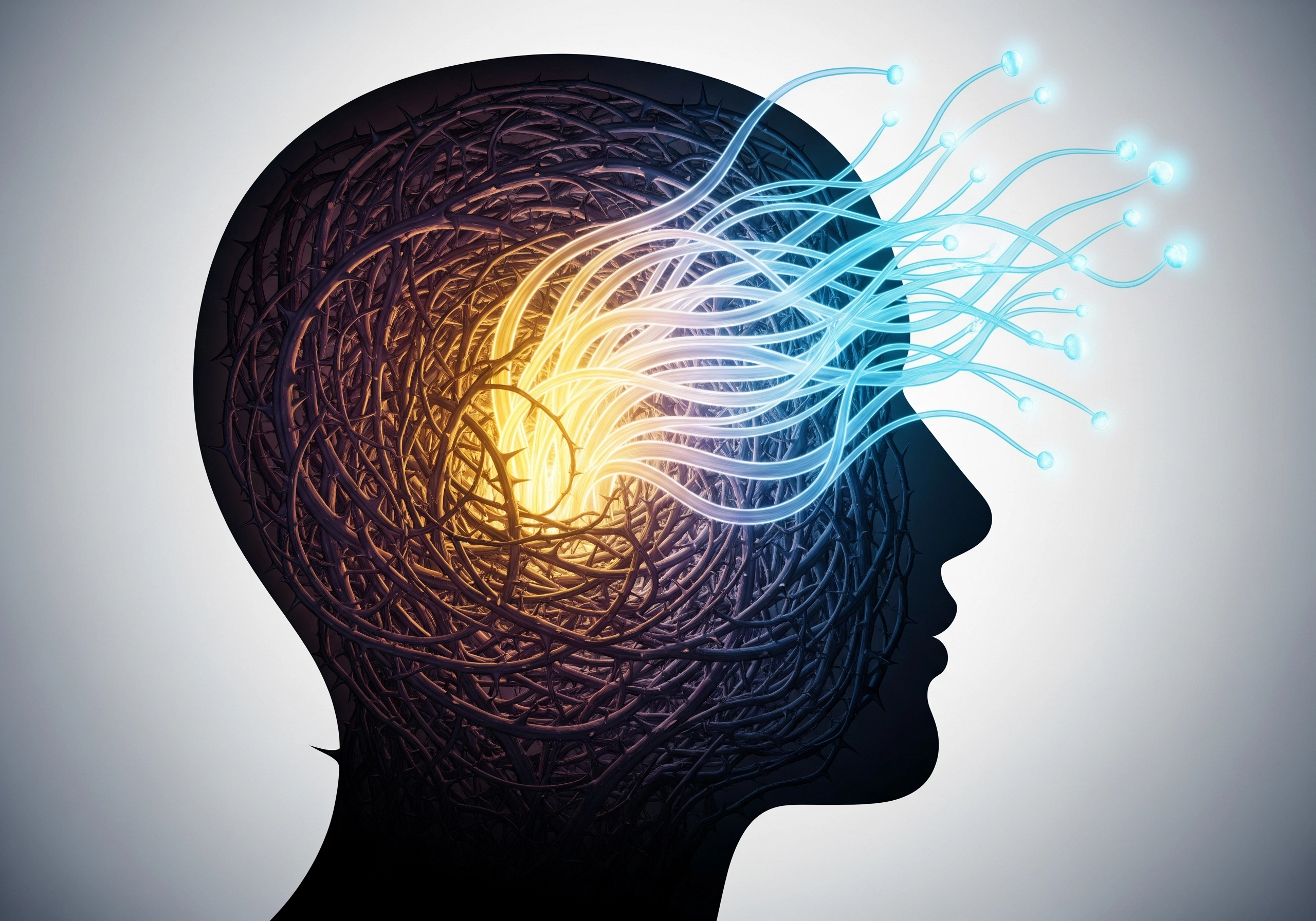
Battling a racing mind? Achieving a calm mind 2026 means actively managing worry, not just avoiding it. Proactive mindset mastery uses cognitive strategies to regain control over thoughts, preventing anxiety from spiraling. This approach helps you cultivate inner peace by transforming how you interact with your mental landscape.
Journaling for Clarity and Release
Journaling is a powerful stress relief technique, creating a dedicated space to externalize thoughts. Putting worries on paper offers distance, allowing observation instead of consumption. This process reveals patterns, transforming vague anxieties into actionable insights.
Journaling is a direct pathway to understanding and processing your inner world.
It reduces mental clutter, fostering calm. For more on its benefits, explore why journaling is a key stress management technique.
Setting Boundaries & Limiting Overstimulation
To proactively overcome worry, protecting your mental space is paramount. Set conscious boundaries—with people, information, and technology. Your mind needs safeguards against constant demands.
- Digital Detox: Limit news, social media, screen time. Consuming less information significantly reduces stress, as noted by UCLA Health.
- Mindful Consumption: Be intentional about mental input.
A well-guarded mind is resilient, less prone to anxiety triggers.
Reducing mental overload creates quietude for deeper reflection.
The Power of “Worry Time”
For persistent worries, the “worry time” technique is effective. Designate a specific, limited period—e.g., 15-20 minutes late afternoon—to solely focus on concerns. Write them down, brainstorm solutions, or simply sit with them.
“Worry time” trains your brain to postpone anxiety, freeing up the rest of your day.
If worry arises outside this period, acknowledge it, then “file it away” for your scheduled time. This practical step anxiety management offers helps you reclaim your present. Zenfinity explores enhancing your daily presence through mindfulness as well.
Zenfinity’s Mindset Coaching and guided Meditation offer personalized support. These tools cultivate self-awareness to effectively overcome worry and achieve a truly calm mind 2026.
What Are the Expert Tips and Best Practices for Sustained Tranquility?
Moving beyond immediate relief, the true art of sustained tranquility lies in a deeper, more integrated approach. It’s about building a robust inner ecosystem that can weather life’s inevitable storms, leading us toward a truly calm mind by 2026 and beyond. This isn’t about eliminating stress entirely, but transforming our relationship with it. We’re aiming for a state where inner peace isn’t fleeting but a constant companion.
Embracing Personalized Practices for Lasting Change
One of the most profound insights I’ve gathered is that there’s no one-size-fits-all solution for achieving inner peace. Just as every individual is unique, so too should their path to tranquility be. This is where modern tools, informed by ancient wisdom, truly shine.
At Zenfinity, for instance, we’ve learned that integrating personalized insights from areas like Vedic astrology with practical mindset coaching and guided breathwork can provide unparalleled personal guidance. Such tailored approaches ensure that the techniques you adopt resonate deeply with your individual needs and temperament, making them far more effective and sustainable.
True tranquility is built on self-awareness, not generic prescriptions.
This bespoke approach is critical because it empowers you to actively participate in your self-discovery, rather than passively following instructions. It fosters a deeper sense of ownership over your emotional wellness journey.
Cultivating Consistent Micro-Moments of Calm
Sustained tranquility isn’t solely about grand gestures or lengthy meditation retreats. It’s often cultivated in the small, consistent moments of our daily lives. Integrating brief, intentional practices can significantly contribute to daily anxiety relief and enhance your overall well-being. Think of these as ‘micro-mindfulness’ moments.
These tiny shifts, from conscious breathing during a commute to a moment of stillness between tasks, accumulate over time. They train your nervous system to respond differently to stressors. You can explore how to integrate these practices into your routine to discover present moment awareness even in a busy schedule.
Reframing Your Relationship with Worry
Expert practice involves a fundamental shift in how we perceive and interact with our thoughts, especially worries. Instead of fighting anxiety, we learn to observe it. This doesn’t mean ignoring problems, but rather disengaging from the incessant mental loop of worry that often accompanies them. True mastery comes from observation, not suppression.
The concept of a ‘worry time’ is an excellent stress relief technique to manage overwhelming thoughts, allowing you to address concerns constructively rather than letting them consume your day. It’s about changing your relationship with your thoughts, observing them without judgment, and ultimately cultivating a more serene inner landscape, moving you closer to a truly calm mind by 2026.
When Techniques Don’t Seem to Work: How Can You Troubleshoot and Seek Further Support?
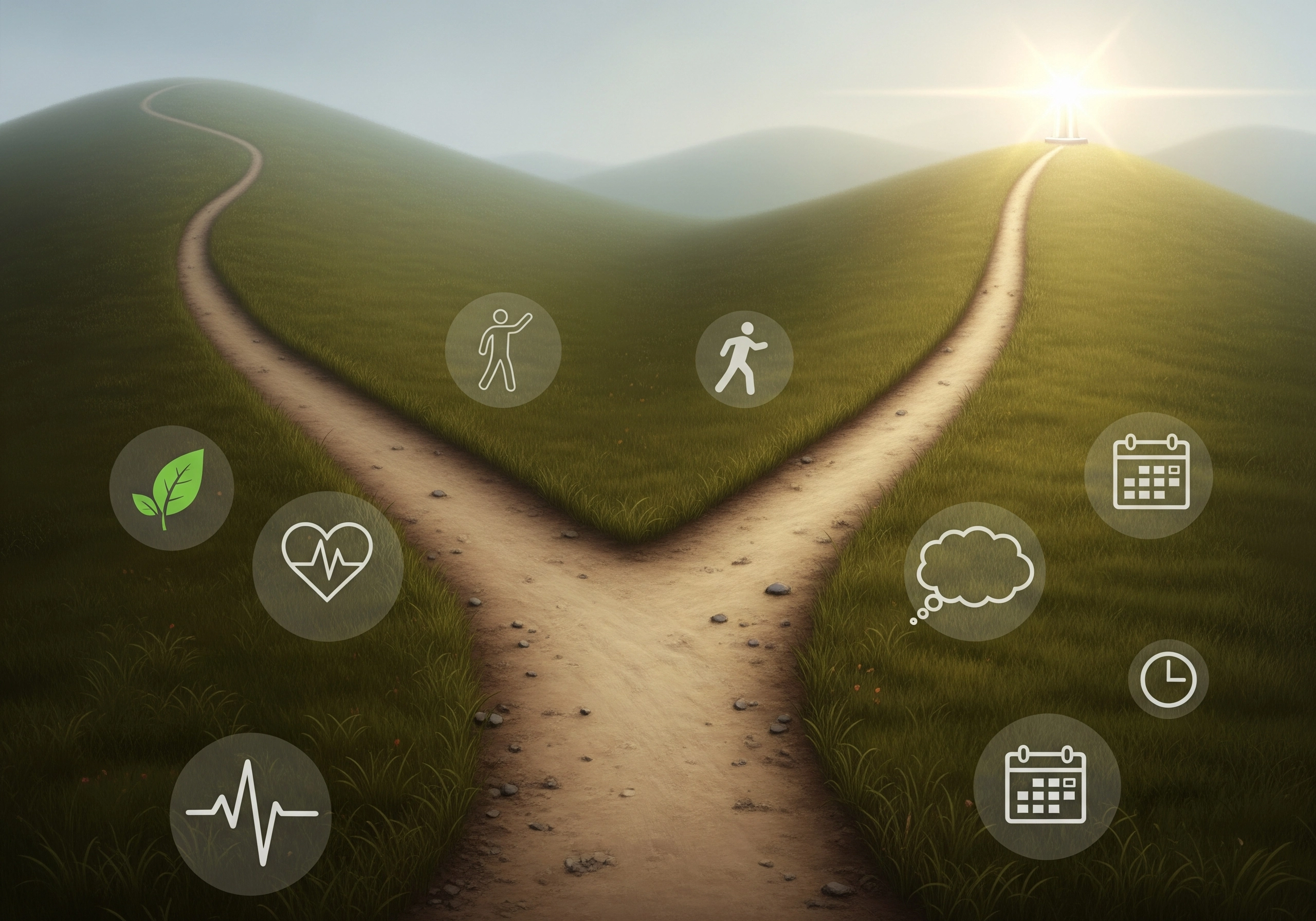
Even with the most effective tools and the strongest resolve, we can hit a wall where techniques that once worked seem to lose their power. This feeling of stagnation or frustration is a common part of the journey toward managing stress and achieving inner peace. It’s not a sign of failure, but rather an invitation to re-evaluate and adapt our approach.
Re-evaluating Your Approach
When a technique doesn’t seem to click, the first step is always self-reflection. Are you consistently applying the technique as intended? Sometimes, the subtle erosion of consistency can diminish its impact. Perhaps the method itself needs a tweak to fit your current life circumstances or evolving needs. There’s no one-size-fits-all solution for how to release anxiety; what works today might need adjustment tomorrow.
Consistency and customization are paramount for sustained progress.
It’s also crucial to manage our expectations. The path to a calm mind isn’t always linear. There will be plateaus, and even occasional regressions. These moments are opportunities to deepen your understanding of yourself and the tools at your disposal.
Adapting Techniques for Better Impact
If a method feels stale, consider modifying it rather than abandoning it entirely. For instance, if traditional meditation feels too demanding, explore guided meditations available on the Zenfinity app or try Zen meditation for beginners as detailed in our guide, “A Serene Path: Discovering Zen Meditation for Modern Living in 2026.” For those struggling to overcome worry that feels all-consuming, incorporating a dedicated “worry time” can compartmentalize anxious thoughts, preventing them from dominating the entire day.
Experiment with combining different strategies. Perhaps pairing physical activity, like a mindful walk, with a journaling practice can amplify the benefits. Our understanding of wellness constantly evolves, and there are many science-backed ways to help you feel better that can be explored.
Small modifications can often reignite the effectiveness of a practice.
When to Seek Professional Support
There are times when even our most dedicated efforts aren’t enough, and that’s perfectly okay. If you find your anxiety persistently impacting your daily life, relationships, sleep, or work, it might be time to seek external support. This isn’t a sign of weakness; it’s a proactive and wise step toward well-being.
Consider reaching out to a mental health professional, such as a therapist or counselor. They can provide personalized strategies, help identify underlying issues, and offer a safe space for processing complex emotions. Additionally, tools like Zenfinity offer AI-driven Vedic astrology insights and mindset coaching that can complement traditional therapy by providing personal guidance and new perspectives on self-regulation. Embracing mental health resolutions for 2026 often means acknowledging when a higher level of support is needed.
Are You Ready to Embrace Inner Peace by 2026?
The journey to truly achieve inner peace isn’t a destination, but a continuous evolution. As we approach 2026, the question isn’t if you can cultivate a tranquil mind, but how committed you are to the process of self-discovery and consistent practice.
We’ve explored the profound insights anxiety can offer, shifting our relationship with it from adversary to messenger. We’ve delved into the immediate calm found in mindful practices and physical release, from deep breathing to progressive muscle relaxation. These are not just temporary fixes but powerful stress relief techniques that can alter your physiological and psychological state.
Building Your Foundation for a Calm Mind
Remember, a calm mind 2026 is built on a foundation of sustainable lifestyle habits. Prioritizing quality sleep, nourishing your body, connecting with nature, and fostering genuine social connections are not optional extras; they are critical pillars for resilience. These habits counter the effects of chronic stress, which can lead to serious health issues like heart disease and anxiety disorders.
Every small, consistent effort accumulates into significant transformation.
We’ve also highlighted the power of mastering your mindset. Techniques like journaling, setting clear boundaries, and the strategic use of “worry time” help you proactively manage mental clutter and prevent overwhelming thought patterns. It’s about shaping your inner world rather than being swept away by it. For a deeper dive into practical strategies, explore “Six Mental Health Resolutions Worth Setting for 2026” which discusses the benefits of journaling and mindful practices.
Committing to Your Peaceful Future
Embracing a future with a genuinely calm mind 2026 requires daily intention and a willingness to adapt. If you’ve found certain techniques challenging, remember the iterative mindset: re-evaluate, adjust, and customize. Consistency, even in small doses, is far more impactful than sporadic grand gestures. For instance, even short periods of mindfulness can significantly boost mood and decrease stress symptoms.
This is where personalized guidance becomes invaluable. At Zenfinity, our AI-driven insights, including features like StarSage for Vedic astrology and Inner Coach AI for mindset coaching, are designed to support you on this path. They complement your efforts in meditation and breathwork, helping you integrate these practices seamlessly into your daily life to foster inner clarity and inform your decision-making. To begin cultivating this clarity, consider discovering “Zen meditation for modern living” through our resources.
Your journey to inner peace is an investment in your entire well-being.
By committing to these practices—from the science-backed ways to help you feel better to the wisdom of ancient traditions—you are not just aiming for a tranquil moment, but building a robust inner ecosystem. You are giving yourself the gift of lasting peace and resilience, ready to navigate the complexities of life with grace and confidence. The time to commit to your well-being is now.
Ready to achieve lasting tranquility? Explore personalized guidance for your journey to inner peace with Zenfinity.
Frequently Asked Questions
What are the most effective immediate techniques for releasing anxiety?
Immediate anxiety relief can be found through deep breathing exercises like the 4-7-8 method, short mindfulness meditation sessions, progressive muscle relaxation, and engaging in light physical activity. Releasing physical tension through gentle stretching or yoga can also provide quick calm.
How can I build sustainable lifestyle habits for lasting inner peace?
Sustainable habits include prioritizing quality sleep, maintaining a balanced diet, spending time in nature, and nurturing social connections. Consistent daily practices like meditation and gratitude journaling also form a strong foundation for resilience and ongoing tranquility.
What is the ‘worry time’ technique for managing overwhelming thoughts?
The ‘worry time’ technique involves setting aside a specific, limited period each day (e.g., 15-20 minutes) to consciously focus on your worries. By containing them to this designated time, you can train your mind to postpone anxious thoughts outside of this period, reducing their overall impact.
How does understanding anxiety’s message help in managing it?
Viewing anxiety as a messenger, rather than an enemy, helps shift your relationship with it. By understanding what triggers your anxiety and the signals it sends, you can address the root causes more effectively and develop targeted strategies for release and management.
Can AI tools help in achieving a calmer mind by 2026?
Yes, AI-powered tools can offer personalized guidance, such as AI-driven Vedic astrology insights, mindset coaching, and guided meditation, to support your journey. These tools can complement traditional techniques by providing tailored support for self-regulation and decision-making.
What should I do if anxiety management techniques don’t seem to work?
If techniques aren’t yielding results, re-evaluate your approach, ensure consistency, and manage expectations. Consider adapting techniques or seeking professional support. Exploring personalized guidance from resources like Zenfinity can also offer new perspectives and tailored strategies.