

Why is Releasing Anxiety So Crucial in Today’s World?

The world is moving faster than ever, and by 2026, anxiety disorders are projected to be a growing challenge globally. This isn’t just a clinical observation; it’s a lived reality for many, as modern workplaces, with their relentless demands and blurred boundaries, contribute significantly to pressure, burnout, and a decline in overall well-being.
The Alarming Rise of Modern Anxiety
We often find ourselves caught in a cycle of constant stimulation and expectation. The traditional lines between work and personal life have faded, leaving many feeling perpetually ‘on’ and overwhelmed. This constant state of heightened alert fuels chronic stress, making it incredibly difficult to truly disengage and find peace.
Ignoring mounting anxiety isn’t an option; it’s a direct path to diminished well-being.
This pervasive tension impacts everything from our decision-making to our physical health. It’s a silent erosion of our inner clarity, making us feel adrift in a sea of uncertainty. For those seeking to navigate these turbulent waters, understanding how to effectively release anxiety has become more critical than ever.
Why Proactive Anxiety Management is Non-Negotiable
In a world that shows no signs of slowing down, waiting for anxiety to become debilitating is no longer a viable strategy. Proactive anxiety management is about building resilience, not just reacting to crises. It’s about cultivating inner resources that allow us to meet challenges with a calm and focused mind, rather than being swept away by them.
Consider the contrast: a future where we are constantly reactive to stress, or one where we possess the tools to transform our daily experience. This is where dedicated anxiety help 2026 becomes indispensable, moving beyond temporary fixes to sustainable practices.
Cultivating Calm Amidst Chaos
Effectively managing and release anxiety requires more than just acknowledging its presence; it demands a commitment to practical stress release methods. These aren’t just feel-good activities; they are essential practices for mental and physical health. For instance, even a 20-minute walk can help regulate mood and anxiety by releasing endorphins and reducing stress hormones.
At Zenfinity, we understand this urgent need for personalized guidance. Our AI-driven insights, combined with mindset coaching and guided meditation and breathwork, offer a structured path to self-regulation. We believe that by integrating ancient wisdom with modern tools, we can empower you to find calm, clarity, and confidence, enabling better decision-making in every aspect of life. You can explore how to cultivate genuine presence through practices like daily mindfulness to enhance awareness and emotional regulation.
How Can You Physically Release Anxiety and Tension from Your Body?
When anxiety takes hold, it often doesn’t just reside in our minds; it manifests physically, tightening muscles, quickening breaths, and creating a pervasive sense of unease. This isn’t merely a feeling; it’s a physiological response, and thankfully, your body also holds the key to its release.
Harnessing the Breath for Immediate Calm
One of the most powerful and immediate tools for releasing anxiety from body is your breath. We often breathe shallowly when stressed, signaling danger to our nervous system. Deep, diaphragmatic breathing, however, tells your body it’s safe.
Diaphragmatic Breathing Technique
This technique involves breathing deeply into your belly rather than your chest. It engages the vagus nerve, which helps activate your parasympathetic nervous system – your body’s natural ‘rest and digest’ state.
- Lie down or sit comfortably, placing one hand on your chest and the other on your belly.
- Inhale slowly through your nose, feeling your belly rise.
- Exhale slowly through pursed lips, feeling your belly fall. Make your exhale longer than your inhale.
- Repeat for several minutes, focusing solely on the sensation of your breath.
A longer exhale is a direct message to your nervous system to calm down. This simple yet profound practice is a cornerstone of the guided breathwork exercises offered by Zenfinity, helping you cultivate inner clarity and self-awareness.
Actively Releasing Physical Tension
Anxiety notoriously leads to muscle tension. You might clench your jaw, hunch your shoulders, or tighten your back without even realizing it. Techniques like Progressive Muscle Relaxation (PMR) and gentle stretching are excellent for targeted tension release.
Progressive Muscle Relaxation (PMR)
PMR involves systematically tensing and then relaxing different muscle groups in your body. This practice heightens your awareness of physical tension and teaches you how to consciously let it go.
- Start with your feet: tense them tightly for 5-10 seconds, then completely relax them.
- Move up your body, tensing and relaxing each muscle group (calves, thighs, glutes, abdomen, chest, arms, hands, neck, face).
- Notice the difference between tension and relaxation in each part of your body.
Simple stretches, like rolling your neck, shrugging your shoulders, or gently pressing the tip of your tongue to the roof of your mouth to relax your jaw, can offer instant relief from stored physical tension, as detailed in various mind and body approaches for stress and anxiety.
Movement as a Powerful Antidote
Engaging in physical activity is a highly effective way of reducing physical activity anxiety. It’s not just about burning calories; it’s about metabolizing stress hormones like adrenaline and cortisol that flood your system during anxious moments.
The Science of Movement
Even a brisk 20-minute walk can make a significant difference. Regular exercise helps pump up feel-good endorphins and other natural neural chemicals that boost well-being and refocus the mind. A 2018 study involving over 1.2 million adults found a significant association between exercise and better mental health, with 45 minutes of movement three to five times a week being optimal.
Beyond structured workouts, incorporating movement that stimulates the vagus nerve, such as chest-opening exercises like gentle backbends or arm circles, can also be particularly beneficial for calming the nervous system.
Movement isn’t just about physical health; it’s a potent regulator of mood and anxiety.
By consciously engaging in these body-focused techniques—from mindful breathing to targeted muscle relaxation and regular physical activity—you empower yourself to actively manage and release the physical manifestations of anxiety. These proven steps are essential for cultivating a sense of calm and control in a world that often feels anything but predictable, forming a crucial part of your personal toolkit for emotional wellness. Zenfinity offers guided practices to help you integrate these techniques seamlessly into your daily routine, fostering inner peace and resilience.
What Proven Mental Strategies Can Help Calm Your Anxious Mind?

While physical techniques offer immediate relief, true and lasting peace often emerges from mastering your mental landscape. As a wellness expert at Zenfinity, I understand that the mind isn’t just where anxiety resides; it’s also where the most profound solutions can be found. Learning to calm your mind involves a blend of presence and proactive thought management, essential skills for navigating today’s fast-paced world.
Embracing Mindfulness to Stay Present
One of the most potent ways to reduce anxious feelings is through mindfulness. This practice trains you to anchor yourself in the present moment, observing thoughts and sensations without judgment. It’s not about stopping thoughts, but about changing your relationship with them. When you practice mindfulness for anxiety, you learn to step back from the whirlpool of worry, giving you a sense of control.
Guided meditation and breathwork, core components of the Zenfinity app, are excellent starting points. For instance, focusing on your breath can immediately activate your parasympathetic nervous system, signaling safety to your body. We often integrate techniques like the 5-4-3-2-1 grounding method, where you identify five things you can see, four you can touch, three you can hear, two you can smell, and one you can taste. This sensory engagement pulls you out of anxious thought loops.
Mindfulness isn’t just a practice; it’s a way of being that fosters inner clarity and resilience.
Cultivating this present-moment awareness can significantly decrease the grip of future-oriented worries. To dive deeper into these practices, explore resources like How to Begin Mindfulness: Simple Steps for Inner Clarity in 2026 and Embrace Inner Peace: A Classic Journey into Mindfulness Practices in 2026.
Challenging Negative Thought Patterns with CBT and DBT
Beyond observation, sometimes we need to actively reshape the narratives that fuel our anxiety. This is where structured approaches like Cognitive Behavioral Therapy (CBT) and Dialectical Behavior Therapy (DBT) become invaluable. These therapies teach you to identify, challenge, and ultimately modify unhelpful thought patterns and emotional responses. For example, CBT DBT helps you recognize cognitive distortions – irrational ways of thinking that can exacerbate anxiety – and replace them with more balanced perspectives.
A practical strategy inspired by CBT is setting aside
Are Your Daily Habits Fueling or Fighting Your Anxiety?
Are your everyday choices building up your anxiety or are they actively working to dismantle it? Many of us overlook the profound impact our daily habits have on our mental landscape. From the moment we wake to when we close our eyes, every decision, however small, shapes our brain chemistry and our ability to cope with stress.
The Crucial Role of Sleep in Anxiety Management
One of the most foundational elements for mental well-being is quality sleep. When we don’t get enough restorative rest, our brains struggle to regulate emotions, making us more susceptible to anxiety and irritability. The connection between sleep and anxiety is undeniable; insufficient sleep can heighten our stress response, creating a vicious cycle. Prioritizing consistent, deep sleep is not a luxury, but a necessity for a calm mind.
A well-rested mind is better equipped to handle life’s stressors.
Nutrition: Fueling Clarity, Not Chaos
What we consume significantly affects our mood and energy levels. A diet rich in whole foods, fruits, and vegetables provides the nutrients essential for neurotransmitter production, which directly impacts our emotional stability. Conversely, processed foods, excessive sugar, and erratic eating patterns can lead to blood sugar imbalances, exacerbating feelings of nervousness and anxiety. Think of your body as a high-performance engine; it requires premium fuel to run smoothly.
Understanding Consumption Habits: Caffeine, Nicotine, and Anxiety
While a morning coffee might seem harmless, excessive caffeine nicotine anxiety is a real concern. Both caffeine and nicotine are stimulants that can elevate heart rate, increase jitters, and trigger or intensify anxious feelings, especially in those already predisposed. What starts as a perceived boost can quickly become a trigger for heightened stress. Reducing or eliminating these can be profound ways to relieve anxiety.
The Power of Connection: Social Bonds as an Anxiety Buffer
Humans are inherently social creatures. Meaningful social connections provide support, reduce feelings of isolation, and can significantly lower stress levels. Conversely, social isolation or a lack of genuine interaction can leave us feeling vulnerable and increase anxiety. Nurturing relationships and engaging with your community is a powerful antidote to modern pressures. Even small interactions, like a quick chat with a neighbor, can make a difference.
Integrating Proactive Wellness with Zenfinity
Recognizing the interconnectedness of these daily habits is the first step toward proactive mental health. Tools like Zenfinity are designed to support you in building these crucial routines. Through guided meditation and breathwork exercises, Zenfinity can help improve your sleep hygiene, enhance your focus, and provide strategies for self-regulation when facing triggers like caffeine nicotine anxiety. Cultivating these positive habits is paramount for ways to relieve anxiety and foster inner clarity. To explore how mindful practices can transform your day, consider integrating simple mindfulness methods into your daily routine. Prioritizing these lifestyle factors can lead to significant long-term anxiety reduction, paving the way for a more balanced and confident life by 2026.
How to Build Your Personal Toolkit for Overcoming Worry?

In a world projected to face growing anxiety challenges by 2026, especially with the pressures of modern workplaces, cultivating a robust personal anxiety management toolkit isn’t just helpful—it’s essential. This isn’t about eradicating worry entirely, but about developing the resilience to navigate it with grace and clarity.
Unearthing Your Worry Triggers
The first step to overcoming worry is understanding its roots. Just like a map guides a journey, identifying what consistently sparks your anxiety provides invaluable insight. This involves a journey of self-awareness, noticing patterns in your thoughts, emotions, and physical sensations.
Understanding your triggers is like reading your own emotional map.
Take time to reflect: what situations, people, or thoughts frequently lead to that familiar knot of apprehension? Journaling can be a powerful tool here, allowing you to track and identify triggers over time, revealing connections you might otherwise miss.
Processing Thoughts and Practicing Self-Compassion
Once triggers are identified, the next phase is processing the thoughts they provoke. Journaling offers a safe space to unload your mind, helping you articulate and examine anxious thoughts rather than letting them swirl uncontrollably. This process allows you to challenge negative self-talk, a core principle in many cognitive approaches to mental well-being.
Simultaneously, practicing self-compassion transforms your internal dialogue. Instead of self-criticism, treat yourself with the same kindness and understanding you would offer a trusted friend. This gentle approach fosters a supportive inner environment, crucial for navigating emotional turbulence.
Crafting Your Personalized Worry Toolkit
With awareness and compassion as your foundation, you can begin to assemble a dynamic, personalized anxiety management toolkit. This isn’t a static list, but a collection of strategies that resonate with you and evolve as you grow.
Consider these powerful components:
- Dedicated Worry Time: Set aside a specific, short period (e.g., 10-15 minutes) each day to consciously address your worries. This helps contain them, preventing them from dominating your entire day.
- Mindfulness and Meditation: Engaging in practices that ground you in the present moment can shift focus away from future anxieties. Zenfinity offers guided meditations and breathwork exercises designed to cultivate inner clarity and self-regulation. Explore how you can achieve a more balanced life with Simple Mindfulness Methods for a Balanced Life in 2026.
- Physical Activity: Even a 20-minute walk can significantly impact your mood and reduce stress hormones. Regular movement is a powerful antidote to tension, supporting overall mental health, as highlighted in mental health tips for a happier 2026 from various health organizations.
- Acceptance and Shifting Focus: For worries beyond your control, the ultimate tool is acceptance. Acknowledge the worry, then consciously redirect your energy towards what you can influence or positive activities.
Building your personal anxiety management toolkit is a journey of self-discovery. With tools like Zenfinity’s AI-driven insights and mindset coaching, you can gain personalized guidance to refine these strategies, transforming how you respond to life’s challenges and fostering a profound sense of inner calm.
Beyond Basics: Advanced Techniques & Professional Support for Lasting Relief
While foundational practices like breathwork and mindfulness provide immense relief, sometimes our journey towards inner calm requires venturing into more specialized anxiety relief techniques and embracing external support. As we look towards 2026, with its increasing demands and complexities, a proactive approach to mental well-being becomes not just beneficial, but essential.
Exploring Advanced Techniques for Deeper Calm
Moving beyond the basics, several advanced methods offer powerful pathways to manage and mitigate anxiety. These techniques often delve into the intricate connection between our mind and body, providing tools for profound self-regulation.
Emotional Freedom Techniques (EFT)
One such approach is Emotional Freedom Techniques, or EFT. This method, sometimes called “tapping,” involves gently tapping on specific meridian points on the body while focusing on a particular anxiety or negative emotion. The idea is to balance the body’s energy system, similar to acupuncture but without needles.
EFT anxiety relief works by interrupting stress responses and helping to reframe distressing thoughts. It’s a hands-on, accessible technique that many find surprisingly effective for reducing emotional intensity.
Heart Rate Variability (HRV) Biofeedback
Another innovative technique gaining traction is Heart Rate Variability (HRV) biofeedback. This involves learning to control your heart rhythms, specifically the variation in time between your heartbeats, which is a key indicator of your nervous system’s health. By monitoring your HRV, often with wearable devices, you can learn to intentionally shift your physiological state towards relaxation.
Research indicates that HRV biofeedback is helpful for reducing self-reported stress and anxiety, offering a promising avenue for self-regulation, as highlighted by a 2017 meta-analysis. This method empowers you to actively train your body to respond more calmly to stressors.
The Indispensable Role of Professional Anxiety Help
For persistent or overwhelming anxiety, self-help techniques alone may not suffice. Recognizing when to seek professional anxiety help is a crucial step towards lasting relief and mental wellness. Therapists and counselors provide tailored strategies, offering frameworks like Cognitive Behavioral Therapy (CBT) and Dialectical Behavior Therapy (DBT) that challenge anxious thought patterns and build coping skills.
Seeking professional guidance isn’t a sign of weakness, but one of profound strength and self-awareness.
These experts offer a safe space to explore triggers, process underlying issues, and develop a personalized toolkit far beyond what one can achieve alone. They are vital partners in navigating complex emotional landscapes.
The Power of Early Intervention
Addressing anxiety early, rather than letting it fester, can significantly alter its trajectory. Early intervention is a cornerstone of proactive mental health care, especially as we navigate the increasing pressures of modern life. Studies show that individuals who seek support early often experience better long-term outcomes and prevent anxiety from escalating into more severe conditions.
Proactive mental health care leads to better outcomes.
It’s about building resilience and developing robust coping mechanisms before anxiety becomes debilitating. This forward-thinking approach aligns perfectly with our vision at Zenfinity, where we empower users with AI-driven insights and tools for Mindset Coaching, Meditation, and Breathwork to cultivate self-awareness and foster Inner Clarity.
For those ready to integrate these practices into their daily lives and foster their journey towards Emotional Wellness, exploring resources like our personalized guidance at Zenfinity can be a transformative step.
Remember, your path to anxiety relief techniques is unique, and combining advanced self-regulation with timely professional anxiety help and early intervention creates the most robust foundation for a clear, confident mind. Your journey to Stress Reduction and sustained well-being is a testament to your commitment to self-care.
What Common Pitfalls Should You Avoid When Managing Anxiety?
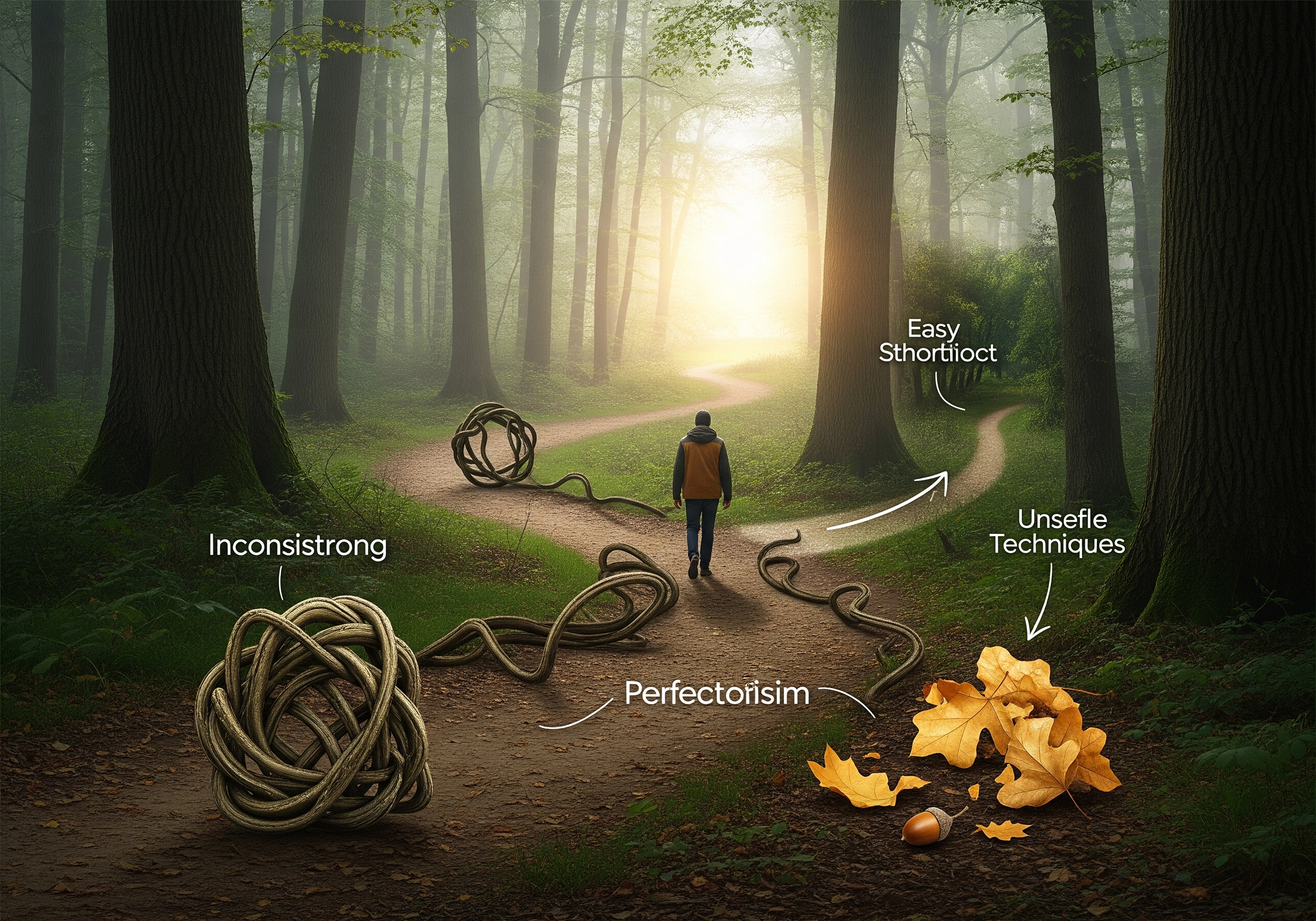
The journey toward managing anxiety is deeply personal, often marked by moments of clarity and occasional missteps. While many effective strategies exist, understanding common pitfalls can significantly refine your approach, transforming sporadic efforts into sustainable well-being. At Zenfinity, we believe in empowering you with insights that foster lasting calm.
The Illusion of Perfectionism in Practice
One of the most insidious traps is the belief that anxiety management must be flawless. Many of us fall into the habit of striving for perfection, even in our self-care routines. We might feel like a failure if a meditation session isn’t perfectly calm or if a relaxation technique doesn’t immediately dissolve all stress.
True progress lies in consistency, not perfection.
This relentless pursuit of an ideal state can actually exacerbate your anxiety, creating a new source of pressure. As explored in various studies, trying to stop striving for perfection is crucial because perfectionism itself is strongly linked to heightened levels of stress and a range of mental health challenges, including perfectionism anxiety.
Overlooking Relaxation Techniques Safety
While techniques like diaphragmatic breathing, progressive muscle relaxation, and mindfulness are widely beneficial, it’s vital to approach them with awareness. Generally, relaxation techniques are considered safe for most healthy individuals. However, there are rare instances where certain practices might trigger increased anxiety, intrusive thoughts, or even a fear of losing control, particularly for those with specific psychiatric conditions or a history of trauma.
Always listen to your body and mind; what works for one person may not work for another.
If you experience discomfort, it’s a sign to pause, reassess, or seek guidance from a qualified professional. Your safety and comfort are paramount in any self-care endeavor.
Neglecting Foundational Habits
It’s easy to focus solely on specific techniques while overlooking the bedrock of mental wellness: daily habits. Consistently poor sleep, inadequate nutrition, or excessive consumption of stimulants like caffeine and nicotine can severely undermine even the most diligent anxiety management efforts. These factors directly impact your body’s stress response and emotional regulation.
The Pitfall of Inconsistency
Another common mistake is treating anxiety management as a one-time fix rather than an ongoing practice. The best ways to relieve anxiety are those integrated into your daily life, not just pulled out during a crisis. Just like physical fitness, mental well-being requires regular engagement and adaptation.
Sustained practice leads to lasting resilience.
Personalized guidance, like that offered through the Zenfinity app, can help you build and maintain a consistent routine that truly resonates with your unique needs, whether through Mindset Coaching or guided Meditation and Breathwork exercises.
Ready to Reclaim Your Calm: What’s Your Next Step?
You’ve embarked on a vital journey through these pages, exploring powerful ways to release anxiety and calm your mind. As we look ahead to 2026, the landscape of mental well-being is shifting, making proactive self-care not just beneficial, but essential. The insights shared here are your roadmap to building resilience in an increasingly demanding world.
We’ve delved into everything from the physical act of releasing tension through breathwork and movement to the mental agility of challenging anxious thoughts with mindfulness and cognitive strategies. You now understand how daily habits — sleep, nutrition, and even your digital consumption — profoundly impact your inner state. Remember, even a 20-minute walk can significantly regulate mood and anxiety, as a 2018 study highlighted.
Your body and mind are interconnected; nurturing one profoundly impacts the other.
This holistic approach empowers you to tackle anxiety from multiple angles.
Building Your Personalized Path to Calm
The global projections for anxiety disorders by 2026 underscore the urgency of these practices. Modern workplaces, with their high demands and blurred boundaries, contribute significantly to pressure and burnout. This isn’t about eliminating stress entirely, but about developing a robust “anxiety management toolkit” to navigate it effectively.
Your journey to sustained calm is deeply personal. What works best for one person might be different for another. The key is consistent practice and thoughtful adaptation of these strategies to your unique life. For more actionable mental health tips for a happier 2026, consider integrating techniques that resonate with your personal rhythms.
Embrace Iteration and Self-Discovery
Think of your well-being as an ongoing project, constantly refined and improved. Experiment with techniques like diaphragmatic breathing to release physical tension or dedicated “worry time” to manage overwhelming thoughts. These aren’t just temporary fixes; they are skills to be honed over time. Even simple stretches can make a profound difference in releasing stored tension, as they soothe the nervous system.
Action, however small, is the antidote to anxiety.
This is precisely where Zenfinity comes into play. We believe that true inner clarity and confidence come from personalized guidance and consistent self-regulation. Our platform offers AI-driven Vedic astrology insights, mindset coaching, and guided meditation and breathwork exercises designed to help you integrate these powerful practices into your daily routine.
Your Partner in Emotional Wellness
Whether you’re exploring zen meditation for beginners or seeking deeper insights through our Inner Coach AI, Zenfinity provides the tools to foster emotional wellness. We empower you to proactively manage your mental landscape, making informed decisions and cultivating a sense of peace that extends into every aspect of your life. If you’re looking for focused anxiety help 2026 to manage stress and worry in the moment, our resources are designed to provide immediate, actionable support.
By 2026, let’s redefine your relationship with anxiety, transforming it from a burden into a catalyst for growth.
The goal isn’t just to survive, but to thrive with a clear mind and a calm spirit. The next step is yours: commit to consistent practice and leverage the support available to you.
Ready to reclaim your calm and build lasting resilience? Discover personalized guidance and tools for emotional wellness at Zenfinity.
People Also Ask
What are the most effective ways to release physical anxiety tension?
Techniques like diaphragmatic breathing, progressive muscle relaxation, and gentle stretches are highly effective for releasing physical anxiety. Engaging in physical activity also helps metabolize stress hormones. Movements that stimulate the vagus nerve, such as chest-opening exercises, can further aid in releasing tension.
How can I manage persistent worry and anxious thoughts?
Setting aside dedicated ‘worry time’ can help contain overwhelming worries. Practicing mindfulness and meditation keeps you present, while challenging anxious thought patterns with Cognitive Behavioral Therapy (CBT) or Dialectical Behavior Therapy (DBT) principles is also beneficial. Grounding techniques, like the 5-4-3-2-1 method, can bring you back to the present moment.
What daily habits can contribute to increased anxiety?
Certain daily habits can unfortunately fuel anxiety. Consuming stimulants like nicotine and caffeine can worsen anxious feelings. Lack of sufficient sleep, poor nutrition, and insufficient social connection can also negatively impact your mental well-being and make you more susceptible to anxiety.
Why is proactive anxiety management important by 2026?
Anxiety disorders are projected to be a growing global challenge by 2026, exacerbated by modern work environments. Proactive mental health care and early intervention are crucial for better long-term outcomes, making anxiety management a vital life skill.
Are there advanced techniques for anxiety relief?
Yes, advanced techniques like Emotional Freedom Techniques (EFT), which involves tapping on acupressure points, and Heart Rate Variability (HRV) biofeedback are being explored for their effectiveness in reducing stress and improving self-regulation. These can complement foundational practices.
When should I consider seeking professional help for anxiety?
You should consider seeking professional help when anxiety significantly interferes with your daily functioning, relationships, or overall quality of life. Therapists and counselors can provide tailored strategies, challenge deep-seated thought patterns, and help you build robust coping skills.