

What is Mindfulness, and Why is it Essential for Cultivating Inner Calm Today?

In a world buzzing with constant notifications and endless demands, the concept of being truly present often feels like a luxury, not a necessity. Yet, cultivating this very presence, known as mindfulness, is more crucial than ever for navigating modern life with grace and resilience.
At its core, mindfulness is the practice of bringing your full attention to the present moment, observing your thoughts, feelings, and bodily sensations without judgment. It’s about noticing what’s happening, right here, right now, rather than getting swept away by worries about the future or regrets about the past. This ancient practice, originating from Buddhist concepts over 2,600 years ago, has evolved into a mainstream psychotherapy construct, recognized for its profound impact on well-being.
Why Mindfulness is Essential Today
Our modern lives are often characterized by chronic stress, an unwavering sense of overwhelm, and a constant battle against distractions. This environment makes finding inner peace feel like an elusive goal. Mindfulness offers a powerful antidote, helping us to disengage from the automatic pilot of daily life and reconnect with ourselves.
For many, the relentless cycle of negative thoughts can fuel anxiety. This is where mindfulness for anxiety becomes a game-changer. By practicing non-judgmental observation, we learn to witness these thoughts without getting entangled in them, creating a vital space for calm. Simple mindfulness exercises can effectively reduce stress and improve emotional regulation, as highlighted in various studies.
The Transformative Benefits of Mindful Living
The benefits of regular mindfulness practice extend far beyond mere stress reduction. It’s a holistic approach to enhancing your mental and emotional landscape:
- Reduced Stress and Anxiety: Regular practice helps lower blood pressure and mitigates the physiological responses to stress. For deeper insights, explore how mindfulness exercises for anxiety can help.
- Improved Concentration and Clarity: By training your attention, mindfulness enhances focus and cognitive function.
- Enhanced Emotional Intelligence: You develop a greater awareness of your emotions, allowing for more skillful responses rather than reactive ones.
- Better Sleep Quality: Calming the mind before bed can significantly improve rest, fostering overall emotional wellness.
Even a few minutes of mindfulness daily can significantly improve your quality of life.
Integrating Mindfulness with Zenfinity
Starting your journey with mindfulness doesn’t require a complete overhaul of your life. It begins with small, consistent steps. At Zenfinity, we believe in providing accessible tools to cultivate inner calm. Our platform offers personalized guidance through AI-driven Vedic astrology insights, mindset coaching, and guided meditation and breathwork exercises.
Whether you’re exploring practical mindfulness exercises or seeking to master stress through simple habits, Zenfinity is designed to support your journey towards greater self-awareness and better decision-making. We aim to help you find that essential inner clarity in a chaotic world.
This foundation of present moment awareness is the first step towards a calmer, more focused, and more fulfilling life. The following sections will delve into practical ways to weave these powerful practices into your daily routine.
How Does Mindfulness Practice Reshape Your Mind and Body?
Regularly engaging in a consistent mindfulness practice isn’t just about fleeting moments of calm; it’s a profound journey that actively reshapes your mind and body. Through dedicated effort, we cultivate new neural pathways, enhancing our capacity for presence and resilience. This isn’t just a philosophical concept; the scientific evidence is clear.
The Brain’s Transformation: Focus and Clarity
One of the most compelling effects of mindfulness is its ability to sharpen focus and improve cognitive function. When we practice mindfulness, we train our attention, much like building a muscle. This leads to enhanced concentration and mental clarity, allowing us to navigate complex tasks with greater ease.
Mindfulness directly impacts our brain’s architecture, fostering a clearer, more attentive mind.
This improved attentional capacity is crucial for effective emotion regulation. By observing thoughts without judgment, we create a vital space between stimulus and response, a cornerstone of emotional intelligence. This metacognitive awareness is a key benefit of consistent practice, helping to untangle the knots of overthinking.
Cultivating Emotional Resilience and Stress Reduction
For many, the initial draw to mindfulness stems from a desire for stress reduction and a way to manage difficult emotions. Mindfulness-based treatments have proven highly effective in mitigating feelings of anxiety and depression. They equip us with the tools to disengage from ruminative thought patterns that often fuel distress, bringing us back to the stability of the present moment.
Simple, yet powerful, techniques like mindful breathing act as an immediate anchor. Focusing on the breath helps to calm the nervous system, providing an accessible way to manage acute stress and cultivate inner peace anytime, anywhere. Through practices like these, we learn to unhook from thoughts that might otherwise fuel stress and overwhelm.
For those starting out, foundational mindfulness exercises and structured mindfulness practices can be incredibly beneficial in building this essential skill. Guided meditations, a core offering at Zenfinity, provide a structured way to relax the body and mind, helping individuals find inner peace and manage feelings of overwhelm.
The Body’s Response: From Tension to Tranquility
The impact of mindfulness isn’t limited to the mind; it extends deeply into the physical body. Consistent meditation for mental health helps to lower physiological markers of stress, including reduced blood pressure and improved sleep quality. It’s a holistic shift, moving the body from a state of ‘fight or flight’ to one of ‘rest and digest.’
A calmer mind leads to a calmer body, reducing physical manifestations of stress and anxiety.
This interconnectedness means that as we develop greater emotional steadiness through practices like Yoga Nidra and Nadi Shodhana, our physical well-being also improves. The journey of practicing mindfulness is one of continuous self-discovery and self-regulation, offering a profound pathway to a more balanced and harmonious existence.
Zenfinity, with its AI-driven insights and guided meditation and breathwork exercises, is designed to support your personal path to inner calm, offering personalized guidance for navigating life’s challenges and fostering lasting well-being.
Where Do Beginners Start: Simple Steps to Introduce Mindfulness into Your Day?
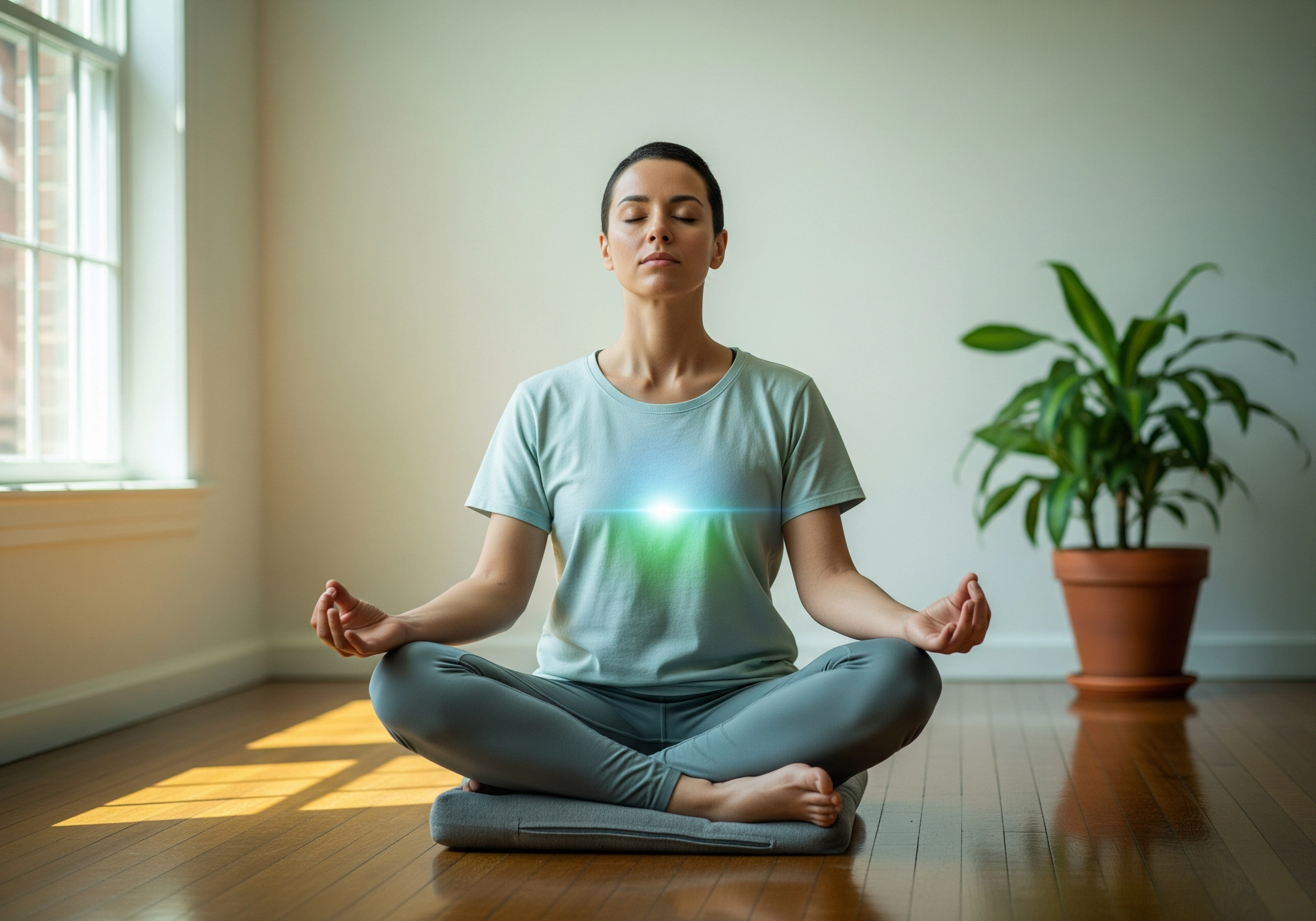
Embarking on the journey of mindfulness doesn’t require hours of dedicated silence or complex rituals. As we’ve seen, mindfulness is about cultivating present moment awareness, and that can start with surprisingly simple steps. Many believe they need to be a seasoned meditator to reap benefits, but the truth is, the most profound changes often begin with the smallest, most consistent actions.
The Starting Point: A Few Mindful Moments
For mindfulness for beginners, the biggest hurdle is often the perception that it’s difficult or time-consuming. We at Zenfinity understand this. The reality is, even 2-5 minutes a day can begin to rewire your brain and body, as mindfulness practice has been shown to reduce stress and improve focus. Think of it less as a chore and more as a brief, intentional pause in your day.
Setting the Stage for Practice
To practice mindfulness effectively, consider these foundational elements:
- Dedicate a Short Window: Choose a time when you can reliably commit 2-5 minutes. This could be first thing in the morning, during a lunch break, or before bed. Consistency is more important than duration when you’re starting out.
- Find Your Comfort: You don’t need a special cushion or a silent retreat. A quiet corner in your home or office, a comfortable chair, or even a bench in a park can suffice. The goal is to be at ease, allowing you to focus without physical distractions. As the Mayo Clinic suggests, a comfortable position is key to getting the most out of your meditation, whether sitting, lying down, or even walking. You can explore more about finding your ideal setup by checking out guides on getting started with mindfulness.
- Anchor to Your Breath: This is where
mindful breathingcomes in. It’s the most accessiblemindfulness exercisefor new practitioners. Simply bring your attention to the sensation of your breath entering and leaving your body. Notice the rise and fall of your chest or abdomen, the feeling of air passing through your nostrils.
Your breath is always available as an anchor to the present moment.
Simple Steps to Initiate Your Practice
Once you’ve carved out your few minutes and found your comfortable spot, follow this straightforward process:
- Settle In: Sit or lie down comfortably. Close your eyes gently if that feels right, or soften your gaze downwards.
- Focus on Your Breath: Begin to observe your natural breath. Don’t try to change it, just notice it. Feel the subtle sensations. This is your primary focus.
- Acknowledge Wandering Thoughts: Your mind will wander—that’s perfectly normal. When you notice your thoughts drifting, gently acknowledge them without judgment. Don’t scold yourself; simply notice where your mind went.
- Gently Return: After acknowledging a wandering thought, gently guide your attention back to your breath. This act of returning is the core muscle-building exercise of mindfulness.
This simple cycle of focusing, noticing, and returning builds your capacity for sustained attention. For those seeking structured guidance, Zenfinity offers a variety of guided meditation and breathwork exercises designed for all levels, making it easier to integrate these practices into your daily life. Our Inner Coach AI can provide personalized guidance to help you navigate your initial steps toward inner calm. To learn more about how meditation can reduce stress, consider resources like the Mayo Clinic’s guide on meditation.
How Can Mindful Breathing and Body Scans Anchor You to the Present?
In our fast-paced lives, finding a moment of stillness can feel like a luxury. Yet, the ability to anchor ourselves to the present moment is fundamental for cultivating inner calm and clarity. Two powerful and accessible mindfulness exercises that can immediately ground you are mindful breathing and body scan meditation. These practices, central to many ancient wisdom traditions, offer a direct path to self-regulation and enhanced awareness, much like the personalized guidance you’d find through the Zenfinity app for personalized guidance.
The Power of Mindful Breathing
Mindful breathing is perhaps the most fundamental of all mindfulness meditation techniques. It’s a simple, yet profound, way to bring your attention back to the here and now. Your breath is always with you, a constant rhythm that serves as an immediate anchor, pulling your awareness away from distractions and into the present. This practice doesn’t aim to change your breath, but simply to observe it.
How to Practice Mindful Breathing:
- Find Your Space: Sit or lie down in a comfortable position. You don’t need a special cushion or quiet room; even a few moments at your desk can be enough.
- Settle In: Gently close your eyes or soften your gaze. Notice any sounds around you without judgment, letting them come and go.
- Feel Your Breath: Bring your full attention to the sensation of your breath. Notice the air entering and leaving your body. Where do you feel it most? Perhaps in your nostrils, chest, or abdomen.
- Observe Without Judgment: Follow the natural rhythm of your inhale and exhale. Don’t try to control it; simply observe. Notice the subtle pause between breaths.
- Gently Return: When your mind inevitably wanders—which it will, that’s what minds do—gently guide your attention back to the breath. This gentle return is the core of the practice.
Even a few minutes of simple breathing meditation can help reduce stress and bring a sense of calm. It’s a readily available tool for managing anxiety and re-centering yourself throughout the day. Focusing on your breath is a natural, always-available tool for immediate grounding. This practice helps develop the foundational skill of sustained attention and present moment awareness.
Anchoring with a Body Scan Meditation
While mindful breathing focuses on a single sensation, a body scan broadens that awareness to your entire physical form. It’s a systematic journey through your body, noticing sensations without judgment, serving as a powerful guided mindfulness meditation to release tension and foster a deeper connection with your physical self.
How to Practice a Body Scan:
- Lie Down Comfortably: Find a quiet place to lie on your back, arms slightly away from your body, palms up, and legs uncrossed. If lying down isn’t possible, a seated position works too.
- Initial Awareness: Take a few deep breaths, allowing your body to settle into the surface beneath you. Notice the points of contact between your body and the floor or chair.
- Scan Your Body: Begin by bringing your awareness to your toes. Notice any sensations there—warmth, coolness, tingling, pressure. Simply observe, without trying to change anything. Then, slowly move your attention up through your feet, ankles, calves, knees, thighs, and hips.
- Continue Upwards: Systematically bring your awareness through your abdomen, lower back, chest, upper back, fingertips, hands, forearms, upper arms, shoulders, neck, and finally, your face and the top of your head.
- Acknowledge and Release: As you scan each area, acknowledge any sensations, tension, or discomfort you find. With each exhale, imagine those areas softening, releasing any holding. There’s no need to force relaxation; just observe what is present.
- Full Body Awareness: Conclude by taking a moment to feel your entire body as a whole, noticing the overall sense of presence and connection.
A body scan meditation for stress relief is incredibly effective for releasing physical tension and cultivating a profound sense of embodiment. Systematic body awareness can unlock hidden tension and deepen your present-moment connection. These practices together build a robust foundation for integrating mindfulness into your daily life, offering immediate benefits for grounding and relaxation.
Beyond Meditation: How to Weave Mindfulness Into Everyday Activities?

While dedicated meditation sessions are incredibly beneficial, the true power of mindfulness unfolds when we learn to weave it into the fabric of our daily lives. This isn’t about adding more tasks to your already busy schedule, but rather transforming routine activities into opportunities to practice mindfulness. It’s about shifting from performing actions on autopilot to engaging with them fully, bringing a sense of presence to every moment.
Why Everyday Mindfulness Matters
Integrating mindfulness beyond formal practice helps us cultivate continuous awareness, a vital skill for navigating life’s challenges with greater calm. By consistently bringing attention to the present, even for brief moments, we build resilience and effectively reduce stress. This approach enhances our ability to focus, improves mood, and contributes to better emotional intelligence, as noted by research on the consistent benefits of mindfulness.
Everyday mindfulness turns ordinary moments into powerful anchors for the present.
Mindful Eating
Eating is a prime opportunity for everyday mindfulness. Instead of rushing, try slowing down. Notice the colors, textures, and aromas of your food before you even take a bite. Chew slowly, savoring each flavor and paying attention to the sensation of nourishment. This simple shift transforms a mundane act into a potent mindfulness exercise, fostering a deeper connection with your body’s signals and promoting better digestion. It helps to ground you and pull you away from distracting thoughts.
Mindful Walking
Whether you’re moving from one room to another or taking a deliberate stroll, walking can become a moving meditation. Focus on the physical sensations: the ground beneath your feet, the swing of your arms, the rhythm of your breath. Engage your senses by noticing the sights, sounds, and smells around you without judgment. This mindfulness exercise can be a profound way to clear your head and reduce stress.
Mindful Listening and Communication
In conversations, how often are we truly present? Practice mindfulness by giving your full attention to the person speaking. Listen not just to their words, but to their tone, body language, and the emotions they convey. Resist the urge to formulate your response while they’re still talking. This deep listening strengthens connections and significantly reduces miscommunication, fostering a sense of inner calm in your interactions.
Bringing Awareness to Routine Tasks
Many daily chores, from washing dishes to waiting in line, can become opportunities for present-moment awareness. Feel the water on your hands, notice the warmth of your coffee cup, or simply observe your breath while standing in a queue. These small acts of presence accumulate, building your capacity for sustained attention and stress reduction.
To support you in cultivating this continuous awareness, Zenfinity offers tools like mindset coaching and guided meditation and breathwork exercises that can be integrated into these brief daily moments. Our personalized guidance helps you identify and leverage these everyday chances to foster clarity and inner calm, making mindfulness a truly accessible part of your life. Discover how to enhance your well-being with Zenfinity’s personalized guidance.
By consciously integrating these simple mindfulness exercises into your daily routine, you transform your entire experience, moving from a life lived on auto-pilot to one filled with greater presence, peace, and purpose.
Are Guided Meditations the Secret to Deeper Inner Peace and Focus?
Is there a direct path to cultivating a deeper sense of calm and sharpening your mental clarity amidst life’s demands? Many of us search for effective tools to navigate daily stress, and guided mindfulness meditation often emerges as a powerful answer.
These practices aren’t just about relaxation; they offer a structured, accessible route to finding inner peace and enhancing focus. Think of a guided meditation as having an experienced companion leading you through a landscape of your own mind, pointing out areas to observe and gently bringing you back when you wander.
The Direct Line to Mental Well-being
For anyone looking to improve their meditation for mental health, guided sessions provide an invaluable framework. They are particularly effective in reducing stress, anxiety, and even improving mood. By focusing on present-moment awareness, these meditations help us disengage from the constant chatter of ruminative thoughts that often fuel anxiety.
Mindfulness helps us observe thoughts without judgment, creating space for calm.
Regular engagement, even for just 10 minutes a day, can significantly improve concentration and emotional intelligence. This isn’t just anecdotal; mindfulness has evolved from ancient wisdom into a widely recognized tool for psychological well-being, integrated into various therapeutic approaches.
Exploring Different Guided Practices
Mindfulness meditation comes in many forms, and guided sessions introduce you to a diverse range. Beyond general relaxation, you might explore practices like loving-kindness meditation, which cultivates compassion towards oneself and others. Or perhaps a body scan, which systematically brings awareness to different parts of the body, releasing tension and grounding you in the present.
These varied approaches all share a common goal: to train the mind to be more present, less reactive, and more emotionally steady. This training builds what we call metacognitive awareness—the ability to understand and manage your own thought processes effectively.
Your Path to Inner Peace and Focus with Zenfinity
At Zenfinity, we understand the transformative power of these practices. Our platform offers a range of guided mindfulness meditation and breathwork exercises designed to help you relax your body, calm your mind, and cultivate deeper self-awareness. Whether you’re seeking to manage feelings of overwhelm or simply enhance your daily focus, these guided journeys provide a clear structure.
From short, simple breathing exercises to more extensive sessions, our resources are crafted to support your journey toward finding inner peace and sustained mental clarity. They serve as a practical tool for self-regulation and improved decision-making.
Consistent practice, even in small doses, builds profound mental resilience.
By engaging with guided practices, you’re not just momentarily escaping stress; you’re actively developing sustainable strategies for effective emotion regulation and a more focused, peaceful existence. Explore how Zenfinity can support your daily practice at https://www.zenfinity.app.
What Common Pitfalls Should You Avoid on Your Mindfulness Journey?

Mindfulness is a profound journey towards inner calm, yet like any significant undertaking, it comes with its own set of common challenges. Many who embark on this path, especially mindfulness for beginners, encounter similar hurdles that can feel discouraging. Recognizing these potential pitfalls is the first step toward navigating them with grace and persistence.
The Wandering Mind: A Universal Experience
Perhaps the most frequent concern we hear is about the “busy mind.” You sit down to practice mindfulness, hoping for stillness, only to find your thoughts racing, planning, or replaying past events. It’s easy to feel like you’re “failing” at mindfulness when this happens.
Your mind is designed to think; it’s not a flaw, but its nature.
The key here is not to stop thinking, but to change your relationship with your thoughts. When you notice your mind has wandered, simply acknowledge it without judgment. Then, gently guide your attention back to your chosen anchor, whether it’s your breath, a sound, or a sensation. This act of noticing and returning is the practice; each return strengthens your attentional muscle.
The Pursuit of Perfection: Letting Go of Expectations
Another common trap is the idea that mindfulness requires a state of blissful emptiness or perfect concentration. This misconception often leads to frustration when reality doesn’t match this ideal. Mindfulness isn’t about achieving a specific state; it’s about being present with whatever is happening, precisely as it is.
True mindfulness embraces imperfection, allowing you to meet each moment with acceptance.
Release the pressure to “do it right.” There’s no perfect meditation, only consistent practice. Focus on simply observing your experience, whether it’s pleasant, unpleasant, or neutral, without trying to change it. This non-judgmental awareness is a cornerstone of effective troubleshooting mindfulness.
Inconsistent Practice: The Habit Hurdle
For many, the biggest challenge is maintaining regularity. Life gets busy, and mindfulness often feels like an “extra” rather than an essential. We know that mindfulness tips often emphasize consistency, and for good reason: regular engagement, even for short periods, builds cumulative benefits. Experts suggest 10 or more minutes daily, but even 2-5 minutes can make a difference.
To overcome this, integrate mindfulness into existing routines. Perhaps it’s a minute of mindful breathing before your morning coffee or a brief body scan before bed. Tools like Zenfinity can provide guided meditations and breathwork exercises, making it easier to fit mindful moments into your day and build a sustainable habit. Remember, a little often is far more effective than a lot rarely.
Expecting Instant Results: The Journey Mindset
Finally, some practitioners become discouraged when they don’t immediately experience profound peace or stress reduction. Mindfulness is not a quick fix; it’s a skill developed over time. While initial sessions can offer moments of calm, the deeper, transformative benefits—like improved emotional intelligence, better sleep, and sustained inner clarity—emerge through dedicated, ongoing effort.
Embrace the process; the rewards of mindfulness unfold gradually, enriching every aspect of your life.
By understanding these common pitfalls and adopting a patient, compassionate approach, your mindfulness journey can become a source of profound growth and lasting well-being. Zenfinity is here to support you every step of the way, offering personalized guidance to help you navigate these challenges and cultivate a resilient, mindful presence.
How Can You Sustain Your Mindfulness Practice for Lasting Calm?
Starting a mindfulness practice is a powerful first step towards cultivating inner calm, but the true transformation unfolds through consistent, sustained effort. It’s not about achieving a perfect state, but rather about embracing an ongoing journey of awareness and self-discovery. The real art lies in weaving mindfulness into the fabric of your daily life, transforming it from an occasional activity into a fundamental aspect of your well-being.
Cultivating a Sustainable Mindfulness Routine
The key to lasting calm isn’t found in monumental, sporadic efforts, but in the power of small, consistent actions. Think of it like watering a plant: a little bit every day keeps it thriving. Our extensive research and the insights from cognitive psychology show that even a few minutes of daily practice can rewire your brain and significantly reduce stress.
Consistency trumps intensity when it comes to long-term mindfulness benefits.
To truly sustain your mindfulness routine, consider these strategies:
Integrate with Existing Habits
Anchor your mindfulness practice to something you already do daily. Perhaps it’s a few minutes of mindful breathing while your coffee brews, a brief body scan before bed, or a moment of present awareness before checking your phone in the morning. This natural integration helps build a habit without feeling like an added chore.
Embrace Variety in Your Practice
Don’t limit yourself to just one type of mindfulness. While formal meditation is crucial, remember that mindfulness extends beyond meditation. Practice mindful walking during your commute, engage in mindful eating during meals, or apply mindful listening in conversations. Varying your approach keeps the practice fresh and adaptable to different situations, reinforcing the many mindfulness benefits.
Leverage Supportive Tools and Resources
In our modern world, support is readily available. Guided meditations, such as those offered by Zenfinity, can provide structure and motivation, especially when your mind feels scattered. Our platform combines ancient wisdom with modern AI to offer personalized guidance, ensuring you always have a supportive companion on your journey to finding inner peace.
Personalized guidance can be a game-changer for sustained practice.
Navigating Setbacks with Self-Compassion
There will be days when your practice feels challenging, or you might skip a session. This is entirely normal. The critical element isn’t perfection, but rather how you respond to these moments. Instead of self-criticism, approach lapses with self-compassion. Gently redirect your attention back to the present moment and simply resume your practice. Each return is a strengthening of your commitment, not a failure.
The Enduring Path to Inner Calm
Through consistent practice mindfulness, you gradually build resilience, enhance emotional intelligence, and cultivate a profound sense of inner calm. This isn’t a temporary fix; it’s a fundamental shift in how you experience life. By regularly engaging with practices that ground you in the present, you unlock a steady source of finding inner peace that remains accessible regardless of external circumstances.
At Zenfinity, we believe in empowering you with the tools for this lifelong journey. From AI-driven insights to guided breathwork and meditation, our goal is to help you maintain clarity and confidence, transforming mindfulness from a concept into a lived reality. Embrace this consistent practice, and you will discover an enduring wellspring of calm within you.
Ready to find your inner peace? Explore how Zenfinity can guide you with AI-powered insights and tools for daily mindfulness and emotional wellness.
People Also Ask
What are the key benefits of practicing mindfulness daily?
Daily mindfulness practice can lead to significant stress reduction, improved emotional regulation, enhanced focus, and a greater sense of inner calm. It also contributes to better sleep quality and can help alleviate symptoms of anxiety and depression.
How can I start practicing mindfulness if I’m a complete beginner?
Beginners can start with simple practices like focusing on their breath for a few minutes each day or trying a short body scan. Consistency is more important than duration initially. Many apps and online resources offer guided meditations specifically for beginners.
Is mindful breathing effective for immediate stress relief?
Yes, mindful breathing is a powerful technique for immediate stress relief. By focusing on the sensation of your breath entering and leaving your body, you anchor yourself to the present moment, which can quickly calm an overactive mind and reduce feelings of anxiety.
How often should I practice mindfulness to see results?
While even a few minutes daily can be beneficial, experts recommend aiming for at least 10 minutes of dedicated mindfulness practice per day to build significant benefits over time. Regular, consistent practice is key to sustaining inner calm and mental clarity.
Can mindfulness help with anxiety and overthinking?
Absolutely. Mindfulness helps you observe your thoughts without judgment, reducing rumination and the tendency to get caught in anxious thought loops. By staying present, you can disengage from worries about the past or future, which is crucial for managing anxiety.
What are some common mistakes beginners make in mindfulness?
Common pitfalls include expecting instant results, getting frustrated by a wandering mind, practicing inconsistently, or striving for a ‘perfect’ meditation. It’s important to approach mindfulness with patience, self-compassion, and a commitment to regular practice, understanding that a wandering mind is normal.