

How Can Mindfulness Transform Your Daily Life and Combat Stress?

Modern life often feels like a relentless current, pulling us through tasks, notifications, and anxieties. It’s easy to lose ourselves in this constant churn, feeling overwhelmed and disconnected. This isn’t just a feeling; statistics indicate that meditation practice has more than quadrupled among U.S. adults between 2012 and 2022, highlighting a growing need for tools to manage daily pressures. We are all searching for ways to navigate this complexity, to not just survive, but to truly thrive and experience life with greater presence.
The Silent Epidemic of Modern Stress
The relentless pace of information and the demands of constant connectivity have created a silent epidemic of stress, affecting our mental clarity, emotional balance, and physical well-being. Many of us find ourselves living on autopilot, reacting to external stimuli rather than intentionally shaping our experiences. This constant state of reactivity is precisely why mindfulness isn’t just a trend; it’s an essential skill for the 21st century. It offers a powerful antidote, allowing us to step off the hamster wheel and engage with life from a place of calm and control.
Mindfulness is about cultivating a deep awareness of the present moment, without judgment.
It’s a practice that empowers you to observe thoughts and feelings without being consumed by them, fundamentally shifting your relationship with stress. This shift is profound, impacting everything from your decision-making to your overall sense of peace.
Reclaiming Your Focus: Why Mindfulness Matters Now More Than Ever
For those of us juggling careers, family, and personal aspirations, the ability to reclaim your focus is invaluable. Mindfulness directly addresses the fragmentation of attention common in our digital age. By training ourselves to be present, we enhance our cognitive function, improve emotional regulation, and even boost sleep quality. Studies have consistently demonstrated that regular mindfulness practice can significantly contribute to stress reduction, offering benefits comparable to traditional anxiety management techniques. For instance, a clinical trial found that guided mindfulness-based stress reduction programs were as effective as antidepressants for anxiety disorders, as reported by Harvard Health. You can explore various mindfulness exercises and techniques to start your journey.
Integrating mindfulness habits into your daily routine offers a sustainable path to inner calm. It’s not about adding another item to your already packed to-do list, but rather about enhancing how you approach everything you already do. Whether it’s through simple breathing exercises or a structured program like Mindfulness-Based Stress Reduction (MBSR), the goal remains the same: to foster a more resilient, aware, and balanced self. Zenfinity is designed to support this journey by providing personalized guidance through AI-driven insights, mindset coaching, and guided meditation and breathwork exercises, offering tools for self-regulation and informed decision-making. Learn more about how to get started with mindfulness on Zenfinity.
In the upcoming sections, we’ll explore practical ways to integrate these powerful mindfulness habits into your life. You’ll discover actionable strategies to reduce stress, gain clarity, and foster a deeper connection with yourself and the world around you, ultimately helping you to reclaim your focus and master stress.
What Exactly Is Mindfulness, And Why Isn’t It Just Another Trend?
Many terms in wellness come and go, but ‘mindfulness’ isn’t one of them. It’s not a fleeting trend, but a fundamental human capacity for profound benefits.
At its heart, mindfulness is the practice of paying attention to the present moment, intentionally and without judgment. This means fully engaging with what’s happening now—your thoughts, feelings, and the world around you—without getting swept away or evaluating it.
Consider eating a meal: often, we’re distracted. Mindfulness, however, means savoring each bite, noticing textures, flavors, and truly experiencing the act. This contrast highlights living mindlessly versus mindfully.
This isn’t a new-age concept; its roots stretch back thousands of years. What makes it relevant today, beyond a trend, is burgeoning scientific evidence. Consistent mindfulness practices significantly reduce stress and anxiety. Modern research, notably through Mindfulness-Based Stress Reduction (MBSR), consistently demonstrates improved emotional regulation and cognitive function. As Harvard research highlights, mindfulness meditation offers a clear path to “less stress, clearer thoughts” by training your brain to stay present.
The beauty of mindfulness lies in its accessibility. It’s a skill anyone can cultivate. You can practice mindfulness anywhere, anytime. Even simple exercises, like focusing on your breath for a few minutes, create a powerful shift, bringing you back to the “present moment.”
For those ready to explore more, resources offering a wide array of mindfulness exercises and activities, such as those detailed on Positive Psychology’s comprehensive list, are invaluable.
At Zenfinity, we champion these ancient practices, integrating them with modern insights to foster calm, clarity, and confidence. Mindfulness isn’t about emptying your mind; it’s about learning to be present with whatever arises, building resilience, and fostering a kinder relationship with yourself. It’s a journey toward deeper self-awareness and a more intentional way of living.
Why Is Mastering Mindfulness Crucial for Your Mental and Physical Well-being?

In a world relentlessly vying for our attention, stress and anxiety have become unwelcome companions for far too many. The ability to navigate these challenges with grace isn’t just a desirable trait; it’s a fundamental skill for thriving in modern life. Mastering mindfulness, therefore, isn’t a luxury—it’s crucial for anchoring your mental and physical well-being.
The Direct Impact on Mental Health
Mindfulness offers a powerful antidote to the overwhelm of daily stressors. It trains your mind to focus intently on the present moment, observing thoughts and feelings without judgment. This practice is scientifically proven to be highly effective for stress management and anxiety relief.
Consider the groundbreaking work behind Mindfulness-Based Stress Reduction (MBSR), a structured program developed by Jon Kabat-Zinn in the 1970s. This approach, combining meditation, yoga, and body awareness, has consistently shown its ability to reduce perceived stress, anxiety, and depression symptoms. In fact, a clinical trial by Georgetown University found that guided MBSR programs were as effective as traditional antidepressants for patients grappling with anxiety disorders.
Mindfulness directly reconfigures our response to stress, moving us from reaction to mindful observation.
The rising adoption of meditation for mental health underscores its significance. Data reveals that the use of meditation among U.S. adults more than tripled between 2012 and 2017, growing from 4.1% to 14.2%, and further increased to 17.3% by 2022. This surge isn’t merely a trend; it reflects a growing collective recognition of mindfulness benefits, including improved emotional regulation and cognitive function. For practical exercises to cultivate this inner calm, explore various mindfulness exercises and activities that can guide your journey.
Bolstering Your Physical Resilience
The mind-body connection is undeniable, and mindfulness profoundly impacts physical health. Chronic stress, left unchecked, can elevate cortisol levels, contribute to inflammation, and disrupt sleep. Regular mindfulness practice helps reverse these effects, promoting relaxation responses that counteract the physical toll of stress. This can lead to improved sleep quality, a stronger immune system, and even better management of chronic pain.
A calmer mind translates directly to a healthier body.
By engaging with practices like mindful breathing or body scan meditations, individuals can develop a deeper awareness of their physical sensations, fostering a more compassionate relationship with their bodies. Our aim at Zenfinity is to empower you with tools for self-regulation, using personalized guidance like our Inner Coach AI and guided meditations to help you achieve this profound physical and mental harmony.
Enhancing Professional Effectiveness and Life Goals
Beyond immediate relief, mastering mindfulness cultivates a sustained sense of clarity and focus essential for achieving long-term goals. When your mind isn’t constantly distracted by worries, you can engage more deeply with tasks, make more thoughtful decisions, and respond to challenges with greater equanimity. This enhanced presence not only boosts productivity but also enriches personal relationships and overall life satisfaction.
For those ready to embrace this transformative practice, getting started with mindfulness is simpler than you might think. Even a few minutes a day can make a significant difference, as consistency outweighs duration. Discover powerful meditation techniques to reduce stress that can be integrated into your daily routine. By integrating mindfulness, you’re not just managing stress—you’re building a foundation for a more purposeful, resilient, and fulfilling life.
What Foundational Mindfulness Practices Can You Start Today?
Embarking on a mindfulness journey doesn’t require a silent retreat or hours of dedicated practice. In fact, the most profound changes often stem from the simplest, most accessible mindfulness exercises you can integrate into your everyday life. As Zenfinity, I’ve seen countless individuals transform their relationship with stress by starting small, often with just a few mindful breaths.
Starting with Mindful Breathing
The most foundational practice, and arguably the simplest entry point for meditation for beginners, is mindful breathing. This isn’t about controlling your breath, but rather observing it without judgment. Find a comfortable position—sitting, standing, or even lying down—and simply bring your attention to the sensation of your breath entering and leaving your body. Notice the rise and fall of your chest or abdomen, the temperature of the air, and the natural rhythm.
Even just one minute of focused breathing can reset your nervous system. Your breath is an ever-present anchor to the present moment. This accessible technique can be done anywhere, whether you’re waiting for a meeting to start or brewing your morning coffee. For deeper exploration, techniques like box breathing or 4-7-8 breathing can provide structured ways to harness your breath for calm.
Expanding Your Toolkit: Simple Mindfulness Exercises
Beyond breath, simple mindfulness can be cultivated through engaging your senses in daily activities. Try mindful eating, where you savor each bite, noticing textures, flavors, and aromas. Or practice mindful walking, paying attention to the sensation of your feet on the ground, the sounds around you, and the movement of your body. These aren’t just exercises; they’re opportunities to bring full awareness to moments we often rush through.
Another powerful starting point is a brief body scan. This involves systematically bringing your attention to different parts of your body, noticing any sensations—tension, warmth, tingling—without trying to change them. This practice helps cultivate body awareness and can be a powerful tool for reducing physical stress. You can explore various guided practices, including detailed body scans, to help you get started on your journey into these mindfulness exercises.
Integrating Mindfulness into Your Daily Routine
The key to building a sustainable practice is consistency, not duration. For meditation for beginners, I recommend starting with just 5-10 minutes daily. This small commitment can yield significant benefits in reducing stress and fostering clearer thoughts, as studies have shown that even short bursts of mindfulness can lead to positive outcomes. Don’t worry if your mind wanders; that’s entirely normal. Simply acknowledge the thought and gently guide your attention back to your chosen anchor, whether it’s your breath or a sensory experience.
To support your journey, tools like the Zenfinity app offer guided meditation and breathwork exercises designed to help you cultivate inner clarity and self-awareness. Our personalized guidance can help you navigate life’s challenges by integrating these powerful practices into your routine. Remember, every moment is an opportunity to practice simple mindfulness and reclaim your focus.
How Do Guided Meditations & Structured Programs Enhance Your Mindfulness Journey?
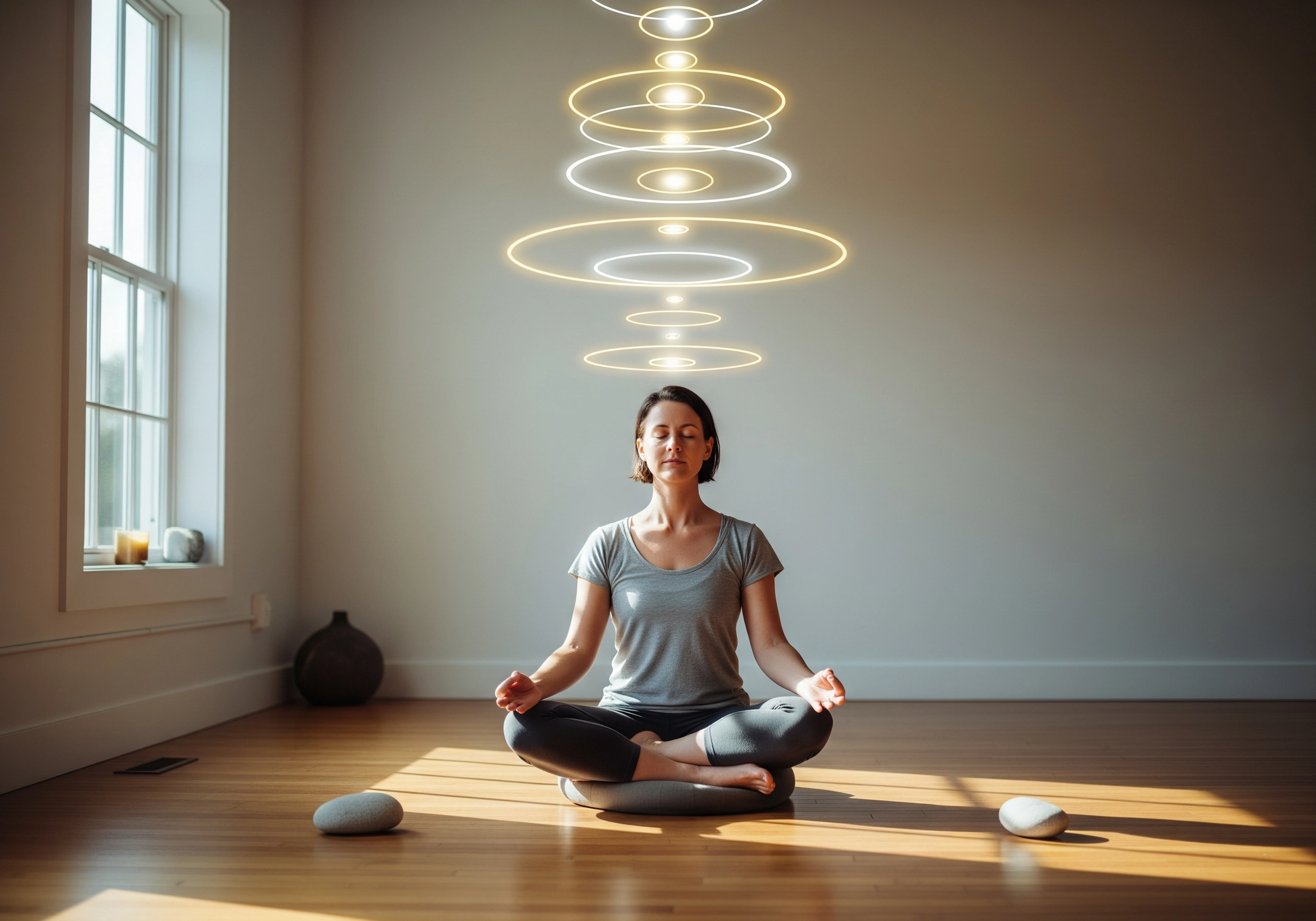
Embarking on a mindfulness journey often begins with simple practices, but to truly deepen your experience and master stress, structure and guidance become invaluable. While observing your breath is a powerful start, guided mindfulness meditation and mindfulness programs offer a framework that accelerates progress and solidifies understanding, transforming initial curiosity into a sustainable path to well-being.
The Power of Guided Meditation
For many, the idea of simply being present can feel daunting, especially with a busy mind or significant stress. This is where guided mindfulness meditation becomes a powerful ally. Instead of struggling to maintain focus alone, a guided session provides gentle instructions, leading you through various mindfulness techniques. This external support is crucial for both beginners and experienced practitioners, helping to anchor attention and cultivate deeper awareness. For those looking to get started, resources like Mindful.org offer excellent guidance.
Key Benefits:
- Structured Practice: Offers a clear path, making consistency easier.
- Reduced Overwhelm: Eliminates the pressure of “doing it right” with step-by-step guidance.
- Deeper Immersion: Expert guidance leads to more profound experiences, enhancing stress reduction and mental clarity.
Beyond individual sessions, comprehensive mindfulness programs take this structure further. Programs like Mindfulness-Based Stress Reduction (MBSR) are renowned for their evidence-based approach to cultivating resilience and reducing stress.
The Impact of Structured Mindfulness Programs: MBSR and Beyond
Developed by Jon Kabat-Zinn, MBSR is an intensive, eight-week course designed to integrate mindfulness into every aspect of life. Participants learn to respond more skillfully to stress, pain, and illness. The effectiveness of such programs is well-documented; studies highlight significant improvements in anxiety, depression, and overall well-being. For instance, research shows mindfulness practices can be as effective as antidepressants in managing anxiety disorders, and the use of meditation among U.S. adults has more than tripled. Harvard also notes how mindfulness meditation can lead to less stress and clearer thoughts.
Why MBSR?
- Holistic Approach: Combines meditation, gentle yoga, and group discussions.
- Expert Instruction: Taught by certified instructors for personalized support.
- Community Support: Group settings foster connection and motivation.
- Long-term Skills: Equips individuals with practical tools for sustained stress reduction and improved emotional regulation.
These structured approaches, through guided mindfulness meditation or formal mindfulness programs, provide the scaffolding to build a robust and transformative practice. They move beyond simple breath awareness, offering a pathway to profound self-discovery and lasting calm. For a simple, fast way to reduce stress, the Mayo Clinic offers valuable insights, and you can even find free meditations to begin your journey.
What Common Pitfalls Should You Avoid When Practicing Mindfulness?
Navigating the Nuances of Mindfulness Practice
Starting a mindfulness journey often comes with a set of unspoken expectations, many of which can become significant mindfulness challenges. It’s easy to fall into traps that undermine your progress, turning what should be a peaceful practice into a source of frustration. Understanding these meditation mistakes from the outset can help you stay on a path of genuine growth and self-discovery.
Mindfulness isn’t about emptying your mind, but observing it.
The Myth of the ‘Empty Mind’
One of the most pervasive mindfulness myths is the idea that successful meditation means having a completely clear, thought-free mind. When thoughts inevitably arise, many beginners feel like failures. This misconception can lead to a cycle of self-criticism and discouragement.
However, mindfulness is fundamentally about observing your thoughts and feelings without judgment, allowing them to pass like clouds in the sky. The goal isn’t to stop thinking, but to detach from the narrative and simply notice. If your mind wanders, gently guide it back to your anchor point, whether it’s your breath or a sensory experience. This act of returning is the practice itself.
Battling Self-Criticism and Impatience
Another common meditation mistake is being overly critical of your own practice. Perhaps you feel you’re not doing it ‘right,’ or you get impatient with the perceived lack of immediate results. This harsh self-judgment can be a major roadblock, contrasting sharply with the very essence of mindfulness: non-judgmental awareness.
Cultivate self-compassion, not self-judgment, during your practice.
Instead of chastising yourself, approach your practice with kindness and curiosity. Remember that progress isn’t linear, and every moment spent in awareness, however brief or distracted, is a step forward. Think of it as befriending your inner experience, a core tenet reinforced by tools like Zenfinity’s Mindset Coaching.
Inconsistency and the Struggle with Overcoming Distractions
Many aspiring practitioners struggle with consistency, believing that longer, intense sessions are superior to shorter, regular ones. They might attempt a 30-minute meditation only to be overwhelmed by overcoming distractions, leading them to give up entirely. This ‘all or nothing’ approach often results in no practice at all.
For effective stress reduction and inner clarity, consistency trumps duration. Even 5-10 minutes of mindful breathing or a body scan daily can build momentum. Zenfinity, for instance, offers guided meditation and breathwork exercises designed to be integrated seamlessly into busy schedules, making regular practice more achievable. These features help users stay committed and find personal guidance through their emotional wellness journey.
Misunderstanding Mindfulness as a ‘Fix-All’
Finally, some approach mindfulness expecting it to instantly ‘fix’ all their problems or provide a permanent escape from discomfort. This mindfulness myth sets an unrealistic expectation. Mindfulness is not a magic bullet; it’s a skill that, with consistent application, empowers you to respond more skillfully to life’s challenges, rather than react impulsively. It enhances self-awareness and decision-making by fostering a deeper connection to your present experience.
By recognizing these common mindfulness challenges and reframing your understanding, you can cultivate a more sustainable and rewarding practice, fostering genuine inner clarity and emotional wellness.
What Are the Best Practices & Advanced Tips for Sustained Focus and Calm?

Moving beyond the initial steps of mindfulness, the journey toward sustained focus and calm requires a more integrated and personalized approach. It’s about weaving awareness into the fabric of your daily existence, transforming fleeting moments of peace into an enduring state of presence.
Deepening Your Daily Mindfulness Practice
While foundational exercises like mindful breathing are crucial, true mastery comes from expanding these practices. Consider extending your sitting meditation sessions slightly, perhaps from 5-10 minutes to 15-20 minutes, allowing for deeper immersion. The key is not to force it, but to gradually build your capacity for quiet observation.
Consistency trumps duration when building lasting habits.
Another powerful technique involves what I call “mindful transitions.” Instead of rushing from one activity to the next, take a few conscious breaths between tasks. This simple pause can reset your mental state, preventing the accumulation of stress and promoting a sense of control.
Advanced Techniques for Inner Clarity
To cultivate profound calm and inner clarity, we can explore advanced breathwork and self-inquiry. Practices like Nadi Shodhana (alternate nostril breathing) are potent tools for balancing the nervous system, which directly impacts our ability to focus and remain serene.
This deliberate breath control helps quiet the mind’s incessant chatter.
Journaling with a mindful lens is another best mindfulness practice. Reflect on your thoughts and feelings without judgment, observing patterns and gaining insight into your emotional landscape. This practice fosters self-awareness and helps in processing experiences constructively.
Integrating Mindfulness into Decision-Making
For truly continuous improvement, mindfulness must inform your actions and choices. Before making a significant decision, take a moment to center yourself. Ask: What feels right in this moment? What is my intuition telling me, free from external pressures? This mindful pause allows for more aligned and less reactive choices.
This integration elevates mindfulness from a practice to a way of living, enhancing your ability for self-regulation.
Leveraging Tools for Personalized Growth
In our modern world, technology can be a powerful ally in this journey. Platforms like Zenfinity offer advanced support for deepening your practice. Through AI-driven Vedic astrology insights, it provides personalized guidance that aligns with your unique energetic blueprint, helping you understand underlying patterns affecting your focus and calm. The mindset coaching, guided meditation, and breathwork exercises within Zenfinity are designed to support your evolution.
Personalized guidance accelerates the path to sustained well-being.
By embracing these advanced tips and consistently engaging with practices that resonate, you can transform your relationship with stress and cultivate an enduring state of focus and calm, leading to profound emotional wellness and effective decision-making in all areas of your life.
Are You Ready to Reclaim Your Focus and Cultivate Lasting Inner Peace?
As we reach the mindfulness conclusion of our exploration, it’s clear that reclaiming your focus and learning to master stress isn’t a destination, but an ongoing journey. We’ve seen how simple yet profound practices can fundamentally reshape your experience of daily life, moving you from reactivity to thoughtful presence. The power to cultivate lasting peace lies within your consistent, gentle effort.
From understanding what mindfulness truly is—not just another trend, but a scientifically backed ancient practice—to integrating foundational exercises like mindful breathing and body scans, you’ve gained the tools to transform your inner landscape. We’ve explored how structured programs and guided meditations can deepen your practice, and how to navigate common pitfalls with self-compassion. Each step you take is an investment in your mental and physical well-being.
Remember, the goal isn’t to eliminate thoughts or feelings, but to observe them without judgment, creating space for conscious response rather than automatic reaction. This actionable mindfulness empowers you to navigate life’s complexities with greater clarity and resilience. It’s about building a robust internal toolkit that serves you in every moment.
True mastery of stress comes from consistent engagement with your inner world.
To continue building on this foundation and deepen your path to inner clarity and self-awareness, consider integrating advanced tools. For personalized guidance and to solidify your practice, explore how platforms like Zenfinity can support your journey. With AI-driven insights, mindset coaching, and guided meditation and breathwork exercises, Zenfinity offers a comprehensive approach to self-regulation and decision-making, helping you maintain that hard-won focus and lasting inner peace.
Your commitment to these practices is the key to unlocking a more centered, calm, and confident you. The journey to a life of mindful presence is always unfolding, and every moment is an opportunity to practice.
Ready to cultivate lasting inner peace and master stress? Explore personalized guidance and tools at Zenfinity to deepen your self-awareness and clarity.
People Also Ask
What is the difference between mindfulness and meditation?
Mindfulness is the practice of being fully present and aware of your thoughts, feelings, and surroundings without judgment. Meditation is a formal practice, often involving techniques like mindful breathing or body scans, to cultivate this state of awareness. While meditation is a way to practice mindfulness, mindfulness can be integrated into any activity.
How quickly can I expect to see results from mindfulness?
The benefits of mindfulness can be experienced relatively quickly, even with short, consistent practice. Many people report feeling calmer and more focused after just a few sessions. However, significant improvements in stress management and emotional regulation often develop over weeks and months of regular practice.
Is mindfulness only for people with anxiety or stress?
No, mindfulness is beneficial for everyone, regardless of whether they experience significant stress or anxiety. It enhances self-awareness, improves focus, boosts emotional regulation, and fosters a greater appreciation for everyday moments. It’s a tool for overall mental and emotional well-being, not just a coping mechanism.
What are some simple mindfulness exercises I can do at work?
You can practice mindful breathing for a minute or two at your desk, focusing on your inhale and exhale. Another exercise is mindful walking during a short break, paying attention to the sensation of your feet on the ground and your surroundings. Even mindful eating during lunch, savoring each bite without distractions, can be very effective.
How does mindfulness help with physical stress symptoms?
Mindfulness helps counteract the physical effects of stress by activating the body’s relaxation response. Regular practice can lead to reduced cortisol levels, decreased inflammation, lower blood pressure, and improved sleep quality. By shifting focus away from stressors, it helps the body return to a state of balance.
Can mindfulness help improve my decision-making?
Yes, mindfulness can significantly improve decision-making by fostering clarity and reducing impulsive reactions. By practicing present moment awareness and non-judgment, you can observe your thoughts and emotions without being overwhelmed by them. This allows for more considered, less emotionally driven choices.